

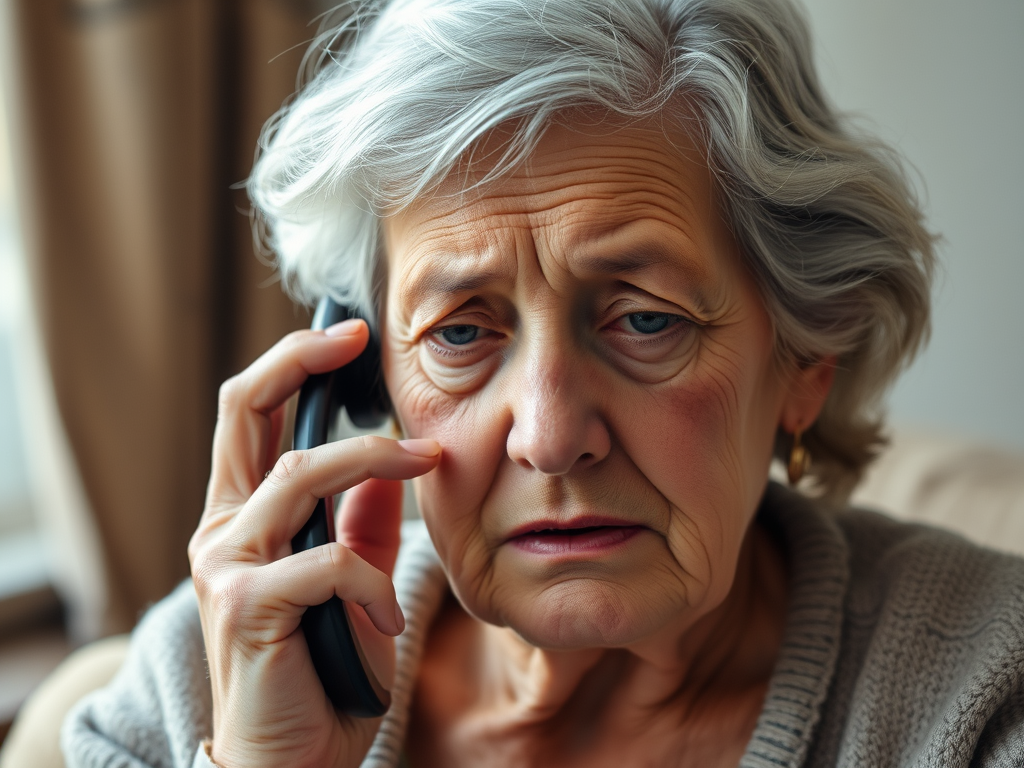
In the summer of 2006 Waldo County RCC (Regional Communication Center) adopted a Friendly Caller program to assist senior citizens to have a daily contact with some entity. Director Owen Smith was approached by a representative of Waldo CAP who had recently received a grant to develop a database of seniors who could utilize such a program. That grant allowed them to seek out and compose a list of mostly seniors who might want to participate. The grant lasted a year.
Waldo CAP was looking for an agency to participate in such a program. Director Smith was asked what WCRCC/911 (Waldo County Regional Communication Center) might be able to do to help out. As the only 24 hour emergency call center it seemed we could be the perfect fit. From that contact came the Waldo County Friendly Caller Program.
There are many people in our mostly rural County that live alone and do not have daily contact with anyone. Many do not have relatives living in the area. The ability for them to have a safety contact, in a non- medical emergency, seemed to be another way that they could continue living in their homes. Waldo CAP would reach out to these people and secure their names, phone numbers and addresses. From this list dispatchers at the 911 Center developed the form we would need to make the program work. Waldo County TRIAD started assisting the program in outreach, advertising and support. The program started with approximately 30 people who would call into the Center on a daily basis just to say good morning and ?I am fine.? Dispatchers record the call on a tracking sheet and often chat with a caller if time permits. Many times it is learned that maybe someone had been scammed or some other problem problems.
If callers do not make that phone call between 6 am and 10 A.M., then dispatch will call them. If the dispatcher does not reach that person or a designated contact a law enforcement officer is sent to check on the welfare of the person. All of law enforcement agencies in our county participate in the program.
Early in the program the worth of such a service was first proven when an elderly lady did not make the call on a Monday morning. Efforts to reach her were fruitless and a deputy was sent to her house. That deputy found the lady on the floor, not able to get up and had been there nearly 24 hours. She thought she had fallen shortly after talking to the dispatcher the day before. She was transported to the hospital and eventually did not return to her home. How long might she had lay there if not for the program. Several such situations such as this has happened over the years.
Today the program has 32 callers. Two of the originals. I think we could probably handle up to 50 ? 60 callers. Throughout time, friendships between the callers and the dispatchers have developed. The dispatchers have developed programs to get the callers together such as picnics and the annual fall dinner. Last year we were not able to have the dinner nor any events due to the threat of Covid. Several dispatchers have been collecting the food boxes recently distributed and get them to our callers.
The program designed for seniors who do not have daily contact is open to all residents of the county. A confidential application needs to be filled out and turned in to the center and callers must agree that they will call everyday between 6am and 10 am or let us know they will not be calling.
I believe that in some small way our program does help people stay in their home with a feeling of security or daily contact. I would like to add that the program is self- funded through dispatcher dress down days (Saturday, Sundays, and Holidays) when they might make small donations. No tax payer money is used for the program.
Interested people may call 338- 2040 to discuss the program and obtain an application.

 Dr. Wendy C. Kasten, Writer