


Topics
Multi-age Education, Grades K-8
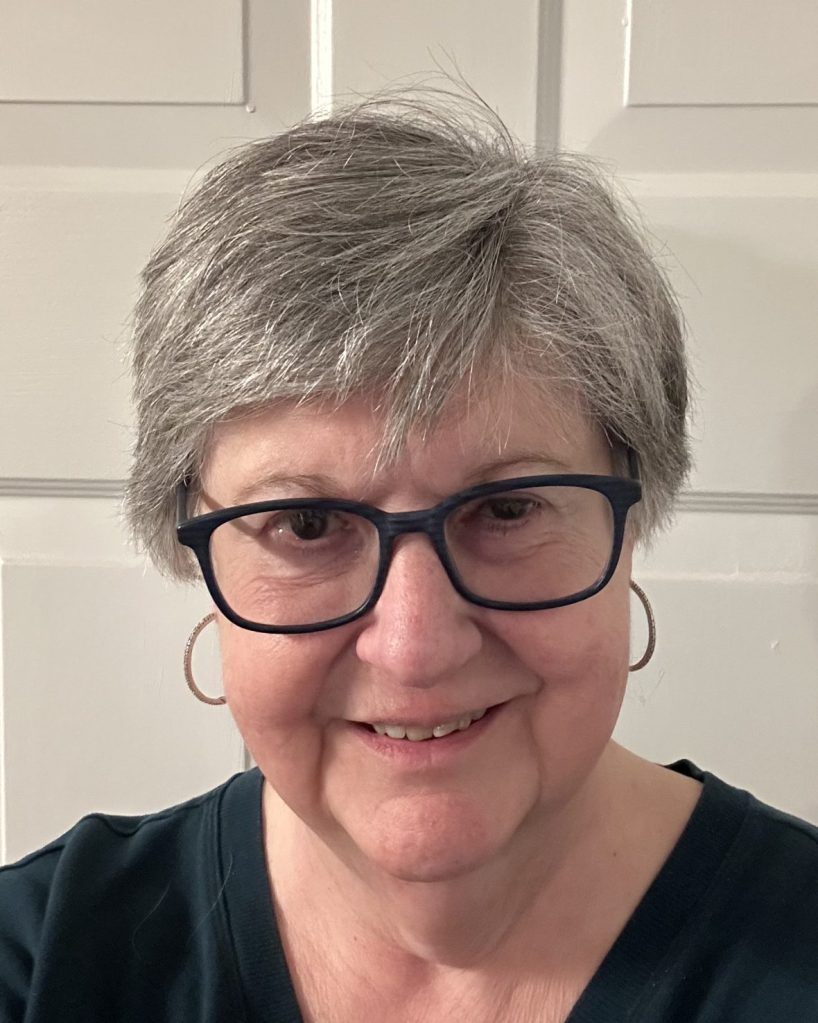
Following a four-year longitudinal study of a multiage classroom along with colleagues and an amazing, gifted teacher, I co-authored two books on multiage education. Since that time, I’ve had the pleasure of spending time in multiage classrooms across the United States, and some in Australia, New Zealand, and Canada.
Multi-age or multiage education is the deliberate grouping of students across grade levels to achieve the advantages of teaching and learning in a diverse environment. It is also called Family Grouping. Vertical Grouping, Ungraded Classrooms, Non graded Classrooms.
Multiage education had sound research behind it, as well as basic learning theory which accentuates its value, academically and socially. Grade levels have no research suggesting their efficacy for education. Grade levels are a tradition established in the 1800’s, initially by Horace Mann, the Superintendent of Education in the Commonwealth of Massachusetts in the northeast United States. It’s said he was inspired by schooling structures in Prussia (now Germany more or less) where grade leveling was introduced to increased efficiency, cut costs, and make education easier to monitor for administrators. It was never touted for its educational value.

This photo was taken in teacher Joni Ramer’s classroom in Manatee County, FLorida. The student on the left was in kindergarten; the older student on the right was a third grader. During this year of the four year longitudinal study, this classroom was a K-1-2-3. The student on the left arrived to kindergarten with no knowledge of books or letters. The older student from a migrant worker family emerged as a classroom leader.
I am willing to work with classroom or schools on their multiage program. I am a Professor Emerita of Literacy Education within Curriculum and Instruction. At Kent State, preservice teachers worked with an integrated team of faculty including literacy and content areas. As a former middle school teacher in a self-contained classroom, I am comfortable in all content areas as well.
Prices are flexible and negotiated based on available funding, local economics, and the sort of needs of the program. Delivering professional development via Zoom type means in preferred. Any and all professional development requires administrative support and participation.
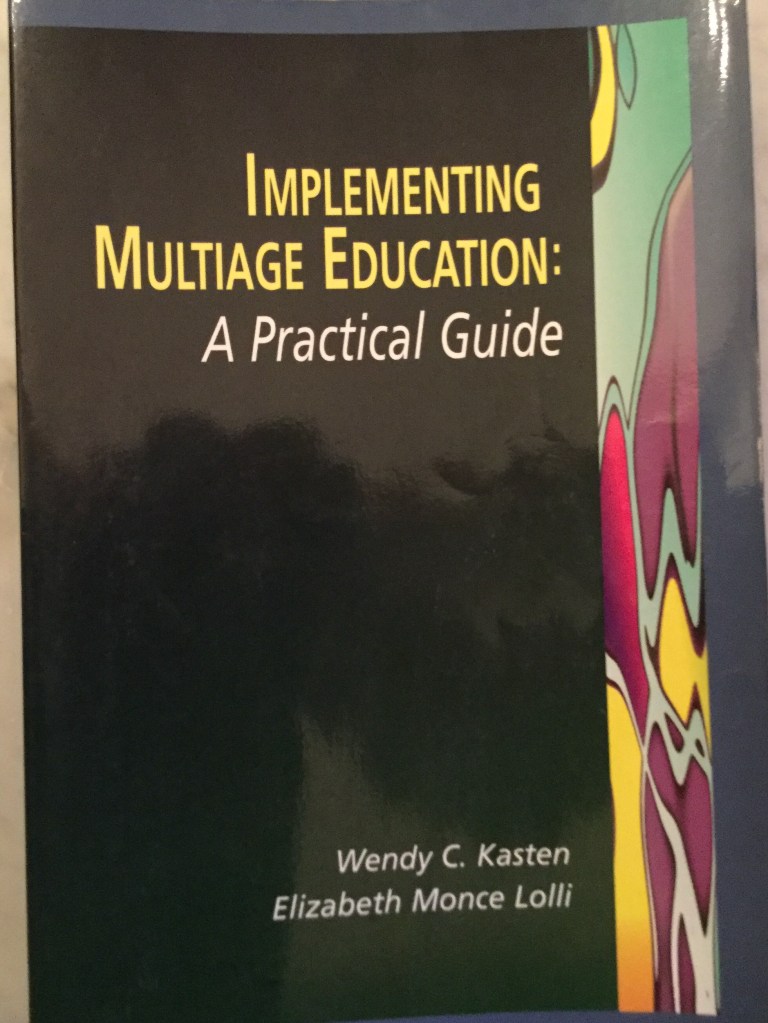
My second co-authored book on this topic came about when I joined the College of Education, Health, and Human Services at Kent State University in Ohio, U.S.A. At about that time, another new faculty members, Elizabeth Monce Lolli joined who had been a school and district administrator. Our collaboration was highly complementary bringing together our combined skills.
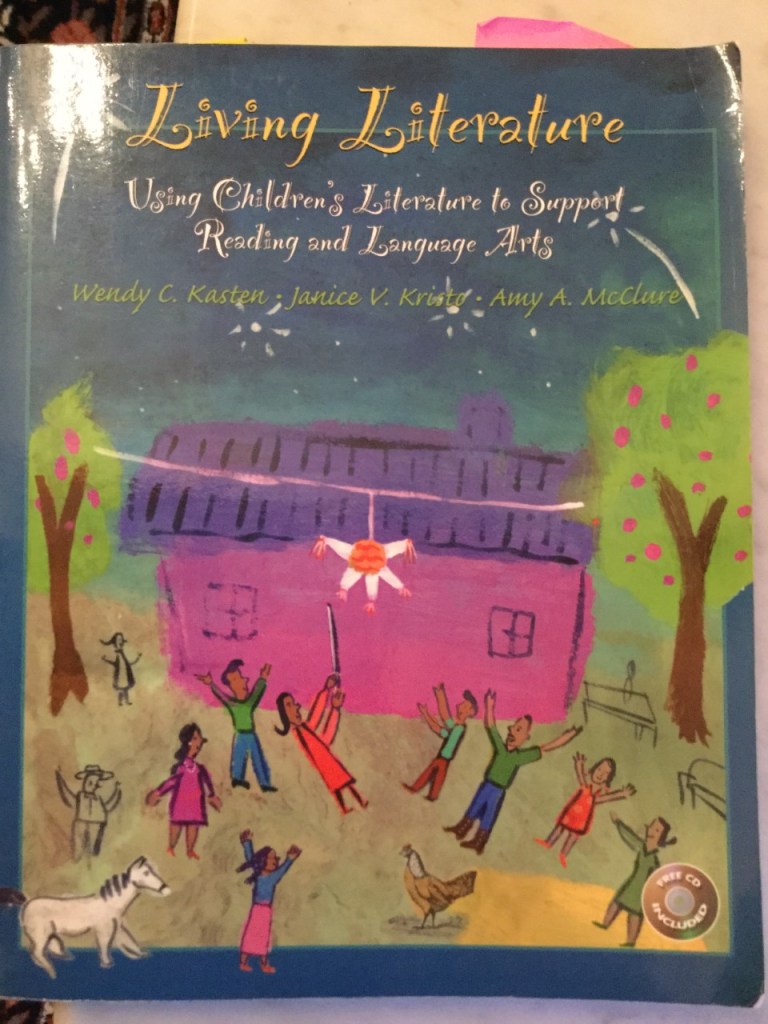
My knowledge of best practices in literacy are evident in my 2005 co-authored textbook used in preservice and MAster’s level classes is pictured below. ALL my books are now out of print and available through used booksellers.
If I can be helpful to your school or district, I can be contacted through this website, or at my email wkasten@kent.edu.
Spelling
Spelling is a subset of writing. Yes, you heard that correctly. Writing, not reading. In reading, someone else did all the spelling.
Some people learn to spell easily. Generally they report they see words in their mind, having remembered from seeing words in print. Some people struggle with spelling, and always will. They don’t “see” words in their mind. BUT, they can be brilliant, highly educated, even highly successful writers.
Therefore teaching spelling is most effective when it’s integrated into a good writing program. Save money by not buying spelling textbooks. They are expensive and have no research behind them in terms of how students learn to spell and write.
Overhauling your spelling program can be accomplished easily in 1-2 sessions as long as your faculty and administration are ready for a change – one that is effective and consistent with theory, research, and best practices.
Contact me for more information, either via this website or use my email wkasten@kent.edu.
Writing Grades K-8
Is your writing program stuck in the doldrums? Let’s explore teaching writing using inspiring award winning children’s literature. Help students find personal, meaningful topics to write about it. This applies to narrative writing as well as creating student made books on nonfiction topics related to their interests and the curriculum.
A few principles that need to be adopted:
Teachers who teach writing also need to write. You cannot teach what you don’t know, and what you have never struggled with.
Writing takes time. Quick and dirty one-day assignments accomplish little in the name of growing competence in writing.
Writing needs to be evaluated holistically, addressing elements of fiction, or nonfiction, and not restricted to mechanics, spelling, and grammar. Those are topics for editing and are, in a sense, a separate skill from storytelling in writing.
If I can be of help, especially via Zoom or similar remote technologies, contact me through this website or with my email: wkasten@kent.edu. Prices are negotiable, flexible, and in keeping with your local economy.
 Dr. Wendy C. Kasten, Writer