This will be a practical approach to high blood pressure and non-drug ways to lower blood pressure. I will make little reference to the various medications which are commonly used to treat high blood pressure or hypertension, as it is referred to by clinicians.
What is blood pressure? Blood pressure is a force that blood exerts on the walls of the arteries (the blood vessels that carry blood away from the heart to the rest of the body). Systolic blood pressure is measured while the heart is beating, and diastolic pressure is measured when the heart is at rest between beats.
What is hypertension or high blood pressure? For best health, those numbers should be lower than 120/80 mmHg. Borderline high pressure or pre-hypertension is systolic of 120-139, diastolic of 80-89. A person is considered to have high blood pressure if one or both measurements remain at 140/90 mmHg or higher. There are no symptoms associated with high blood pressure; and if left untreated over time it can lead to serious health problems such as heart disease, stroke, or kidney disease.
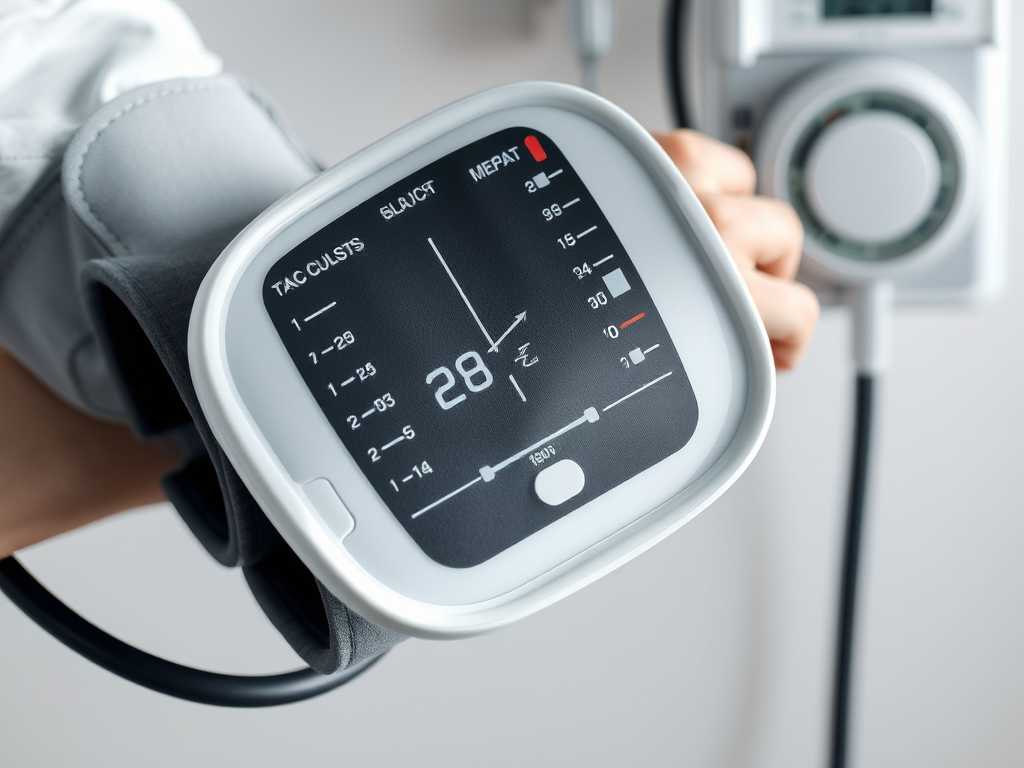
How is blood pressure taken accurately? Your feet should be flat on the floor, your arm resting on a stable surface at heart level. You should be sitting quietly for at least 5 minutes before the blood pressure is taken using a blood pressure cuff of appropriate size.
How is high blood pressure treated? Hypertension can be treated with different medications. I am including a list of antihypertensive drugs for initial treatment. Generic versus brand names will vary and you need to discuss the specifics of your medication with your health provider.
Thiazide and thiazide-type diuretics (hydrochlorothiazide, chlorthalidone, indapamide) Remember to have your blood checked for potassium levels as these can cause low potassium and heart irregularities. Do not take a potassium substitute on your own; too high a level of potassium can also cause irregularities.
High blood pressure can also be treated with several non-drug approaches including healthy lifestyle habits, good nutrition, mind body techniques, and nutritional supplements.
What lifestyle habits can lower blood pressure? Exercising, eating plenty of fruits and vegetables and maintaining proper weight lowers systolic blood pressure by about 10-15 mmHg. Cancer, heart disease, diabetes, and stroke are reduced with these changes.
Wearable TechnologiesIn this article, three senior citizens who each wear a different wearable technology write from their personal experience. We feature three such technologies: the Oura Ring, the Apple Watch, and the Fit Bit. Each one helps their wearers be more healthy and safe.
The Oura Ring Wendy C. Kasten
My husband and I enjoy watching classes on varied topics from The Great Courses program. We recently viewed “The Scientific Guide to Health and Happiness.” The professor/lecturer was Dr. Robin Miller, a physician of integrated medicine from the northwest. She mentioned the Oura ring she was wearing. I was intrigued with what she said about the ring, so I was delighted that my husband gave me one for my birthday. I was immediately drawn to the value of understanding my sleep issues and monitoring my pulse and breathing (I have asthma). Since a first-degree relative, close in age, had three cardiac medical events, I was further motivated to monitor the data the Oura ring provided.
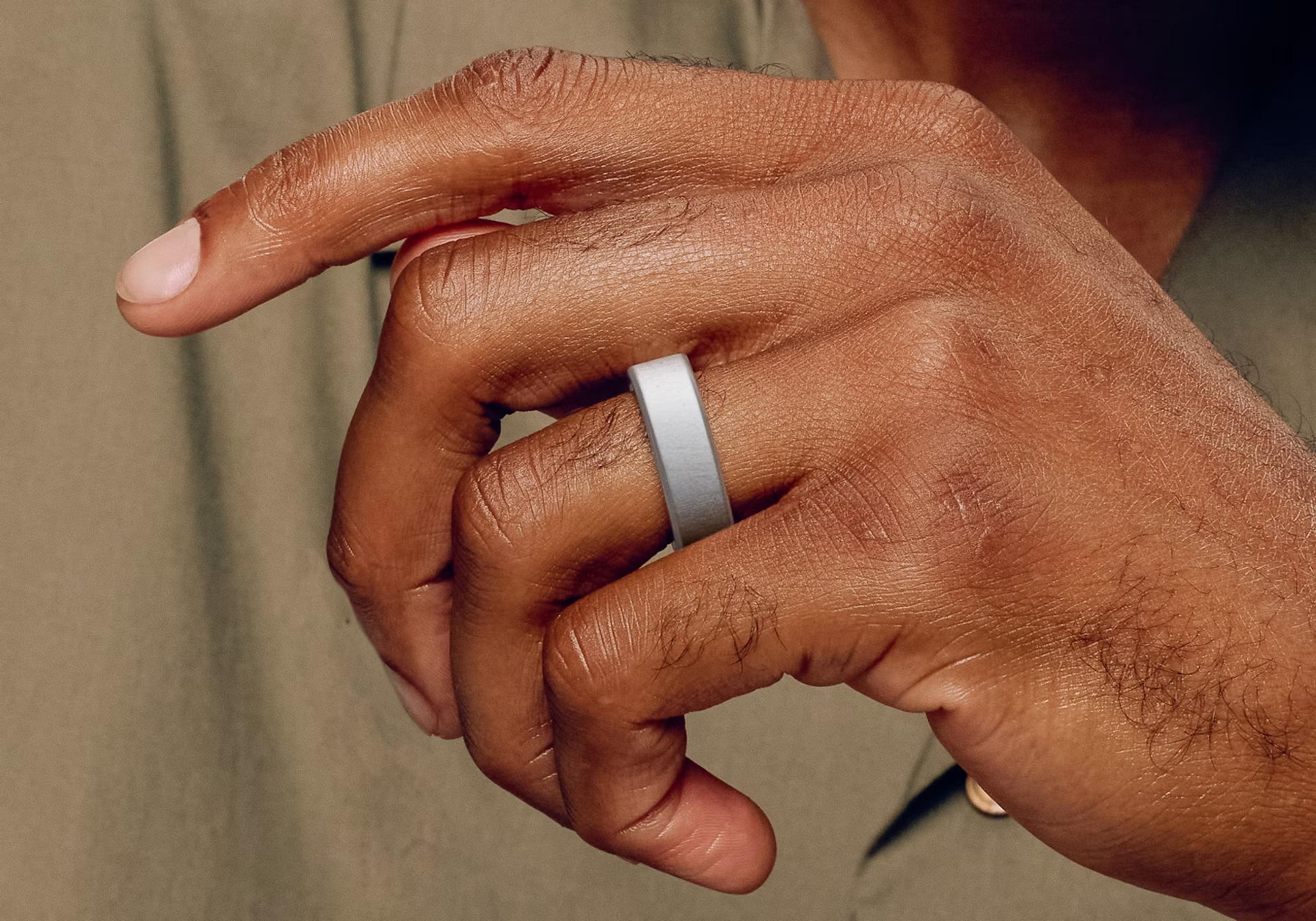
An Oura ring (ouraring.com) is available in multiple finishes and is worn around the clock, even when swimming and showering. It collects vital signs and transmits them to an APP on your smartphone. It looks like a slightly bulky man’s ring and can be worn on any finger. When you place a preliminary order, Oura sends a kit of plastic rings identical in size and shape to an actual ring to try out sizes on different fingers to decide what will be most comfortable. Oura encourages the potential buyer to wear the plastic rings on different fingers for at least 24 hours before completing the purchase. When you begin wearing Oura, it “gets to know” you and monitors body temperature, breathing, pulse, activity, and sleep. The company may offer updates to include additional functions. The ring provides a graph of sleep, separating light sleep, from deep sleep, and REM sleep. It recommends the time to go to bed and when it’s best to take it easy for the day. And it warns you if you’re coming down with something, recommending you rest and take it easy.
The prices are currently between $275. -$575.00 depending on the finish the buyer selects (gold is the highest priced). Following that time period, there is a monthly charge of approximately $5.00 per month. The Oura ring needs to be charged approximately every 3 days. The charger is included and is easy to use. Customer support is text-based only; the company is located in Finland.
So far, I have learned I have been staying up too late, that my activity is on the light side, and that my heart takes most of the night to get to a “resting heart rate.” I plan to discuss this and other data with my primary care physician. The Oura ring might be a tool for someone with irregular heart rhythms or someone with sleep issues. Those are issues to discuss with the company. Lastly, I enjoy the embedded library of recordings to help relax and fall asleep. Oura rings are sold online and at Best Buy(ouraraing.com). More recently, new features have been added. Oura now gives you oxygen sensing, and VO2MAX (a measure of overall cardiovascular health). It also sends you a warning if something is “straining your body” which usually means you are about to become ill. In these instances, I cancel all plans and got to bed to try and avert something serious.
I believe this smart tool can be helpful in understanding many aspects related to living a healthy life.
Apple Watch by Martha Stamp
I am over 70 and live alone. My sister is five years younger, also living alone and a techie. Six years ago she purchased one of the early Apple Watches. She considered it better than other alert devises for elderly people because it is worn on the wrist and can activate a 911 call vocally. A sudden movement will automatically activate it unless the wearer stops it. The Apple Watch can also be connected to the wearer’s cell phone. This is helpful for me as I often walk alone on the beach and could quickly access help if needed. It also has a nice feature of locating your phone if it is misplaced.
I have always worn a watch so it was natural for me to try an Apple Watch. It is a bit larger than the watch I usually wear, and there are a variety of bands from which to select. The Apple Watch holds a charge for a day and comes with a charger. The watch serves more purposes than only as a safety device. There are different apps you can have on it. For example, I use the exercise app that monitors my steps and offers incentives. I also access the weather. Because it is linked with my Apple Phone, I can talk on it (Think Dick Tracy!) and am notified when I receive a text. There are other apps offering health options, but I haven’t explored all of them. It is like wearing an Apple Phone on your wrist.
An Apple Watch can be purchased through many carriers, such as US Cellular and Verizon. These watches can also be purchased through Amazon, Walmart, and Best Buy. The prices vary from approximately $152 for a refurbished one to $746 for the newest models. Not all will connect with the your specific carrier, so be careful to check the specs. I strongly recommend checking with your carrier first to see if they offer that service. I have found that feature to be invaluable when traveling. I love my watch and don’t know how I got along without it!
Fitbit Motivation by Joyce Ray
We all know we need to keep moving to stay healthy, but sometimes I lack motivation to get out and walk. I know vaguely how far it is down to the pond and back, and some days I manage to make the circuit and pat myself on the back. But not often enough, until I bought my Fitbit. This little wristband device provides the motivation I need to get moving!
I bought the basic Inspire Fitbit, no bells and whistles, three years ago, and it’s still going strong. It tracks my steps, my heart rate, calories burned, distance walked, and how many minutes of activity I log each day. It also tracks my hours of sleep, recording light, deep, and REM sleep. This is all I need, but I could log in my water intake and even the food I consume. It’s shower and swim proof, but I haven’t tested it.
My Fitbit vibrates and launches firework graphics when I attain the step goal I set. For me, it’s very satisfying to reach my goal, knowing that I’m doing my best to stay healthy and fit. My winter goal was 5,000 steps (about two miles), but now that the weather is warmer, I’m increasing my goal by small increments. Most days, I check my step status an hour before bedtime, and if I’m lacking several hundred steps, I go for it- up and down stairs, in and out of rooms! The steps are logged, and I can check my weekly or monthly averages on my smartphone to see how diligent I’ve been. I can honestly say that I am more active with the Fitbit than without it.
The device tells me the time and the date, so I could give up my wristwatch, but I haven’t. If I turn on Alerts, Bluetooth syncs it with my smartphone. The Fitbit can remind me of appointments, calls, texts, and probably lots of other things. However, I have definite opinions about being too tied to devices!
The Fitbit Inspire sells for about $100 from fitbit.com, but there are 20% off spring sales, and competitive pricing may be found at a local Walmart, Best Buy, etc. My battery needs charging about every five days, but the new Inspire 2 advertises a 10-day battery life. A charger cord is included with purchase. Wristband color choices are black or white for the basic price, but other colors are available at additional cost.
There is no maintenance fee. A one-year free Premium trial comes with purchase of a new Fitbit Inspire 2. Premium gives you personalized insights about your activity, all level workouts and step-by-step programs. This free offer was not available to me, and I have not subscribed to it. I’m satisfied with the information I receive. I recommend a Fitbit to anyone who needs motivation to get moving to maintain health.
People aged 65 and over who have selected Medicare plans are eligible for Silver Sneakers for free. This widespread program to encourage exercise among senior citizens is available throughout the country in two ways. First, some fitness centers are designated as “Silver Sneaker” locations. What that means is, you check your eligibility on the website (silversneakers.com). If you are eligible, you can also print your membership card from the website and start going to the fitness center nearest you. For free. Yes, for free. At a Silver Sneakers location, you will find a way to sign in which looks like a tablet and scan your card. The management may want you to fill out a form with basic information as part of “joining” except that in this case “joining” has no fees attached. The fitness center is reimbursed by your Medicare.
There are currently no locations of fitness centers accepting Silver Sneakers in Waldo County Maine.
But, Don’t despair. Go to SilverSneakers.com and use your Medicare card to check your eligibility. If you are eligible, there are more than 40 classes a day delivered over ZOOM. You can take as many as you like. For free.
Some selections include line dancing, circuit, yoga, TaiChi, Walk Strong, Stronger Now, Get Fit and more. Some classes are 15 minutes, 20 minutes, 30 minutes, or 45 minutes. Some classes use common equipment such as light to moderate weights, exercise bands with handles, and a nine-inch ball. Some advise useing a nearby chair for balance. Yoga classes use a floor mat.
Experienced instructors are experienced and all well prepared for their senior citizen audience. They always caution members to dial up or down on intensity to suit their ability. Special instructions are provided for seniors who must sit throughout the session. Safety and caution are always priorities.
At the beginning and end of each class, the “chat” is open for participants who would like to introduce themselves, and at the end for feedback. Questions are invited over the Q & A feature. Classes sometimes are being taken by hundreds of seniors from all over the United States. Overall, the instructors are superb (and many are senior citizens, too!)
Even if you are not eligible for Silver Sneakers, nearly all Medicare plans encourage exercise. Call the number on the back of your card and inquire. It is common to be reimbursed up to $400 for a gym membership. But you have to make that call and ask.
There is no easier way to exercise! No driving in bad weather. No gym bag to pack. No concerns about what to wear or how you look.
Assessing Your Kitchen For Safety and Convenience AND What To Do With the Things You’ve Accumulated Over the Years
Most of us still cook some or most of our own meals. As we grow older, the ways we’ve always done things in the kitchen may need to change. While I will list examples here, it’s important to look at your own kitchen from the lens of being a senior.
Cookware we once loved may now be too heavy to handle safely. For example, iron cookware is popular. But, are you able to safely lift it out of the oven? Think about changing some of your cookware to stainless steel or adapt your recipe for such appliances as a microwave, multifunction cooker (Instapot), or Crockpot.
It may be more difficult to reach into the back of a cupboard or refrigerator shelf. Consider purchasing “lazy Susan” turntables, which come in a variety of sizes and materials, such as wood or plastic. Some have rims, others are flat, and some are two-tiered. Use these in the kitchen, in bathroom cupboards, or on refrigerator shelves. These will help you see everything more easily, and you’ll be able to remove items without having to reach so far.
Are you doing any renovating? If so, consider drawers for pots and pans, spices, etc. instead of shelves. (Thanks to Brenda Mullen, Belfast, ME, for contributing this idea.)
Be sure lighting in each area of your kitchen is sufficient. Stronger bulbs may do the trick if the fixture indicates a higher wattage. In a prior issue of Village-Wise, I mentioned stick-on motion-sensor lights that can be added easily with their sticky backing.
Avoid putting anything on your kitchen floor that can become a hazard for tripping or falling such as, throw rugs, pet food dishes, shoes, etc. (Thanks to Brenda Mullen, Belfast, ME, for contributing this idea.)
Do you have trouble with opening doorknobs? Connie Bellet, from Palermo, ME and author of “Connie’s Kitchen” found in each issue of Village-Wise wraps masking tape around doorknobs as a way to open doors easily and without hurting her hand.
Jo-ann Morin of Frankfort, ME likes the ease of using her Pampered Chef jar opener. Thanks, Jo-ann, for contributing this idea. Below: A Pampered Chef jar opener. An online search will reveal a number of different designs..
You may no longer feel safe standing on step stools. If that’s the case (check in with your doctor), you may need someone to help clean out high shelves and not keep anything on them any longer.
Lower cabinets may present different challenges if it is difficult to bend, kneel, squat, or stoop easily. For projects such as cleaning under the sink or re-arranging pots and pans in a lower cupboard, a small stool for sitting while you do these chores may be helpful. The stool pictured here is 16 inches high, foldable, and can be used indoors or outdoors. Quite a few varieties, in a range of sizes, are available from online retailers or hardware stores. In the summer, I have one in the front yard and one in the back yard to use while weeding or picking green beans. I also use a stool for other home projects, such as repainting a lower half of a door.
Consider getting rid of items you no longer use. If your kids or grandkids don’t want your things, here are options:
Goodwill stores accept saleable items. Donation areas are not always open every day; call or check the website for the Goodwill nearest you before you load the car.
Are you interested in cash for your good items? Consignment shops seem more popular than ever. Some specialize in clothing, while other shops are interested in furniture, antiques, household items and the like. Visit the shops and find out what items they accept and the financial arrangement; most use a 60/40 split, with the seller earning 40%. Ask what the shop does with items that are not selling. They may discount those items or donate them. If you want your unsold items returned to you, let them know.
Search for “Pay it Forward” shops. A local example is located in downtown Searsport on Route 1. They sell your donated items, and all profits go to helping needy children.
Consider having a yard sale or use Facebook Marketplace. Some local communities have “swap and sell” sites where sellers can list items for free and buyers can find a wide range of inventory. If you do this, and get a response, ALWAYS ask the potential buyer the local town they live in to ensure buyers are legitimally from the area. Correspondence is through an anonymous email until you feel comfortable sharing information. Sellers indicate if they will sell via door-to-door pickup or decide on a location to meet. ONLY accept cash. No exceptions.
Of course, as we age, we are more vulnerable. We don’t see as well. We don’t hear as well. Our balance isn’t what it used to be – the list goes on and on! Staying healthy and safe becomes our job!
Most falls will happen in the bathroom! So, take some time and assess your facilities!
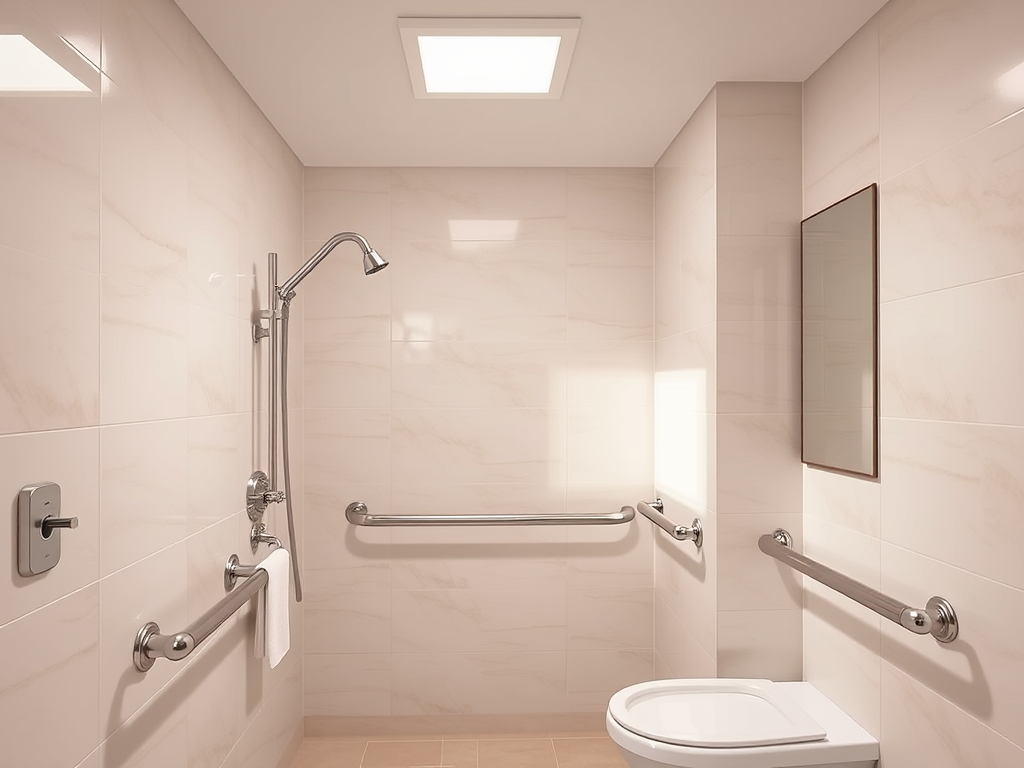
Consider installing grab bars in your bathroom and near stairs and other obstacles BEFORE any emergency. The Masons’ Elder Outreach has had calls from older residents who have just had a fall, or have just had surgery, or a bout with vertigo and need the assistance of grab bars. The problem is, or course, that the patient needs them urgently. Our Masons are volunteers with jobs and families, and they cannot respond immediately. Grab bars are available at hardware stores, home improvement centers, and even online at retailers like wayfair.com.
Do you have more difficulty on steps because of changes in eyesight?They look less distinct? I have that problem because of glaucoma – especially in my garage where the wooden steps are gray, and the garage floor in gray. So, I bought small quantities of floor paint in different colors. I painted each step a different color – light colors that are reflective in a dimly lit space (light green as opposed to dark green, for example; light blue as opposed to dark blue, for example).
Do you have difficulty seeing things clearly in cabinets – especially lower cabinets? I found motion sensor disk lights in Home Depot (look where the lightbulbs are) that require no installation. They run on 2 AA batteries. You peel off sticky paper and press them against the side of a cabinet. Now when I look for pots and pans, a bright light comes on, and it is far easier.
Shop Around to Save Money Sometimes, we get into a rut with shopping, visiting the same stores or online retailers. However, it could save money shopping around for items we need. Here are some suggestions:
Jot down prices of items you buy regularly, such as health and beauty products, vitamins, food, paper products, etc. Try a different store with your list and compare prices of things you normally buy. There may be some savings. Don’t assume that smaller stores are more expensive. Find out for yourself.
Many of us have to go to Bangor, Augusta, or even Portland. Check out stores in those places to compare prices. For example, I found several produce items I use regularly to be less expensive at a store in Bangor than in Belfast.
Bangor offers Sam’s Club and BJ’s. These retailers charge an annual membership fee, but you might save more than the amount of the fee in a single visit. Quantities are greater. For example, toilet paper comes in packages of 48. CeraVe lotion comes in a package of two. Other items such as, coffee, olive oil, and protein powder come in a single larger container. I saved more than $30 on my first visit on a health-related product I use daily that was sold in a package of three. Overall, the membership fee had paid for itself by the completion of my first visit. Be cautious of assuming that everything in these “clubs” is less expensive. Know how much you spend on regularly used items and compare the prices.
Do not assume all pharmacies charge the same amount for prescriptions. If there is more than one pharmacy that accepts your insurance, compare pricing on prescriptions or other items you need regularly.
The first Tuesday of the month is SENIOR DAY at all Walgreen’s stores. Plan your visits to obtain non-prescription needs such as, vitamins, aspirin, cough and cold remedies, nuts, greetings cards, etc. Anything currently on sale is not eligible for the 20% discount, however everything else is. The cashier will adjust your total upon checkout. I always ask how much I saved; it’s generally around $40.00!
Shop around for gasoline. An IPhone APP called Gas Buddy tells you all the gas prices in the area (if you have location services turned on in your settings). Certain gas stations in our area are consistently cheaper or more expensive. Irving stations and others offer discounts for having their rewards card. The card can be applied for in person or on their website. It is an alternate debit card attached to one of your bank accounts. At the pump or in their stores, if you pay with their card instead of your regular credit card, the prices are sometimes less. At Irving stations, fuel is 10 cents less per gallon. Purchases earn you reward points that can accumulate for benefits.
What Are PFAS Chemicals and Why Should We Be Concerned About Them? Wendy C. Kasten, Ph.D. Over the last year or so, many of us started hearing about PFAS. Local news carried stories about PFAS chemicals detected in the water supply in wells, including some in Waldo County. However, the of PFAS chemicals and the concerns about health risks go far beyond the contamination in some Maine wells. I learned some of this by accident while investigating dental appliances for safety. Some years ago, we also heard about Teflon coatings in cookware causing health problems. The amount of information I discovered was alarming.
Being an academic but not in the sciences, I have prepared this article in consultation with public representatives from the Maine Center for Disease Control and Prevention. I am citing heavily to demonstrate the authoritative sources that are posting this critical information. Let’s begin with a definition.
What is PFAS? PFAS is a family of man-made chemicals, which have been used in manufacturing for decades. “As early as the 1940’s, PFAS (mostly PFOA and PFOS earlier on) became widely used in household products and industrial settings. These chemicals were also historically used in firefighting foams due to their effectiveness at quickly extinguishing petroleum-based fires. Because they have a unique ability to repel oil, grease, water and heat, PFAS chemicals are used in many common products that we regularly use. For example, they have been used to make non-stick cookware, stain-resistant carpets and furniture, water-resistant clothing, heat-resistant paper/cardboard food packaging (like microwave popcorn and pizza boxes), and some personal care products. PFAS breaks down very slowly and is persistent in the environment. This means that PFAS may build up in people, animals, and the environment over time. Health agencies are working to understand more about the health effects of low level, long-term exposure.” (https://www.maine.gov/dep/spills/topics/pfas/index.html).
Why should we be concerned? The chart below lists the possible health issues that have been associated with PFAS chemical use in household products. Potential Health Impacts from PFAS Decreases in fertility or increases in high blood pressure in pregnant women Reduced ability of the body’s immune system to fight infections including reduced vaccine response Child development effects including low birth weight, accelerated puberty, bone variations, or behavioral changes Increased risk of some cancers including prostate, kidney, and testicular cancers Interference with the body’s natural hormones Increased cholesterol levels and/or risk of obesity (https://www.maine.gov/dep/spills/topics/pfas/index.html). What is the State of Maine doing about PFAS? Maine may be among the first states to attempt to identify and regulate PFAS for the benefit of our health. Here is the new law. “In July 2021, Public Law c. 477, An Act To Stop Perfluoroalkyl and Polyfluoroalkyl Substances Pollution (LD 1503, 130th Legislature) was enacted by the Maine Legislature. This new law requires manufacturers of products with intentionally added PFAS to report the intentionally added presence of PFAS in those products to the Department beginning January 1, 2023. The law also prohibits the sale of carpets or rugs, as well as the sale of fabric treatments, that contain intentionally added PFAS beginning on January 1, 2023. Effective January 1, 2030, any product containing intentionally added PFAS may not be sold in Maine unless the use of PFAS in the product is specifically designated as a currently unavoidable use by the Department.”
The Maine Department of Environmental Protection has identified 34 Maine communities that require further investigation for higher than safe levels of PFAS in the environment. I think we all need to know this, as some of them are in Waldo County. I have highlighted those in yellow.
What Does this Have to Do with Me? Do you floss your teeth? There’s a very high possibility that the floss you are using contains PFAS chemicals – perhaps at very high, unacceptable levels. I first came across this information on the National Institute of Health (NIH) website and was shocked that the floss which ranked highest on levels of PFAS was the one I had just bought (Oral-B Glide). At your next visit to your dentist, ask if he or she is aware of this. This summarizes the problem.
Where Else in My House Might There be PFAS? Probably many or most women reading this have a sports bra, yoga pants, or leggings somewhere in their closet. Not only do we wear these things, but also we wash them, and any chemicals in them will end up in our groundwater supply. See the quote below.
“Recent testing of a range of yoga and athletic clothes marketed for women from common brands like Under Armour, Gap, and Adidas found that more than two-thirds of sports bras and a quarter of leggings tested contain fluorine—an indicator for PFAS.” (https://www.ehn.org/pfas-clothing-2656587709.html)
*Here are a few other products that may contain PFAS, and senior citizens may want to avoid. They include: Non-stick cookware, such as Teflon Microwave popcorn (PFAS in the bag) Wrappers used in fast food restaurants to wrap sandwiches, hamburgers, etc. Cake mixes (the PFAS may be in the box) Waterproof apparel Stain-resistant applications put on carpets or upholstery Takeout containers Candy wrappers Shampoo Eye makeup Paint and varnish Pesticides Adhesives Insulation on wiring *(This list was compiled from State websites dealing with environmental protection) In summary, let’s be aware, ask questions, and feel extremely fortunate that we live in a state where this now pervasive health issue is being addressed. Probably we will continue to hear more about PFAS, as more studies are completed and disseminated.
If you have concerns about your well and feel it should be tested for PFAS chemicals, please contact the Maine Rural Water Association (MRWA) by email at pfasassistance@mainerwa.org.
Married couple Emily Clionsky, a physician and Mitchell Clionsky, a neuropsychologist combine their areas of expertise to write an informative book focusing on different kinds of dementias. This well-written book first defines dementias, including but not limited to Alzheimers. The authors distinguish the typical aging process from more serious and worrisome cognitive issues. Subsequent chapters examine the genetics of dementias, various medical events or conditions associated with increased risks, such as hypertension, Type II Diabetes, and midlife obesity (See Dr. Carol Kuhn’s useful article on Hypertension in the winter 2023 issue of Village-Wise). As the daughter of a parent who died of Alzheimer’s disease, I especially appreciated the chapter on lifestyle choices, such as the important role of sleep, which can help reduce the risk of acquiring Alzheimer’s disease (Refer to Carol Kuhn, M.D.’s helpful article in the spring 2023 issue of Village-Wise). Clionsky and Clionsky also describe a risk assessment model that would be useful for readers to study and understand. Some readers may shy away from reading nonfiction, thinking it dry. However, Emily Clionsky, M.D. and Mitchell Clionsky, Ph.D. have written an engaging book, peppered with examples from their practices and their own research. For some of us, this may be the most important book we buy and read this year!
Most healthy older adults, age 65 or older, need 7-8 hours of sleep each night to feel rested and alert. But as we age, our sleep pattern may change. Keep in mind that you may need less sleep as you age. Some people need only 5 to 6 hours of sleep a night, but most people do better with between 7 and 9 hours. Sleep usually occurs in three-hour cycles, so it’s important you get at least 3 uninterrupted hours of sleep.
Insomnia (trouble sleeping), sleep apnea, restless leg syndrome (RLS), and periodic limb movement disorder (PLMD) are all causes of sleep disturbance.
Common sleep changes in older adults include: ◦ Getting tired early in the evening ◦ Waking up earlier in the morning ◦ Waking up in the middle of the night and not being able to go back to sleep ◦ Having insomnia, which is a condition that makes it hard to fall asleep, and/or stay asleep ◦ Falling asleep during the day, including while driving
Older adults often see their sleep–wake cycle change. This can be caused by many different factors, including: ◦ Your body’s chemicals, and hormones. For example, as you age, your body produces less melatonin. This is a natural hormone that regulates your sleep cycle. ◦ Certain medicines, including anti-depressants, beta blockers, and cardiovascular drugs. ◦ Dealing with pain. ◦ Diabetes and prostate issues can contribute to sleep disturbance and make you fatigued as you wake up multiple times to urinate. ◦ Congestive heart failure or kidney disease. You may have trouble lying flat and getting comfortable enough to fall asleep.
If you find yourself sleeping in a recliner, waking up many times throughout the night, it is important to talk to your health provider. Underlying health problems may be the cause of your sleeping issues.
Insomnia
Insomnia is a sleep disorder that happens when you have trouble falling asleep, staying asleep, or both. Acute insomnia is short-term trouble sleeping. It may last a few weeks and then go away. Chronic insomnia is when your sleeping problem happens several nights a week and lasts for more than a few months. Insomnia is common in older adults, and more women than men have it.
Primary insomnia isn’t well understood. Things that can cause this kind of insomnia include:
· Life changes
· Long-lasting stress or emotional upset
· Travel or work schedules that disrupt your sleep routine
· Habits you form to deal with your lack of sleep (naps, worrying about sleep, going to bed too early)
Secondary insomnia is insomnia caused by symptoms or a side effect of another problem. They include:
· Emotional conditions: depression, anxiety and post-traumatic stress disorder
· Neurological disorders: Alzheimer’s or Parkinson’s disease
· Pain conditions: arthritis, headaches disorders
· Gastrointestinal disorders: heartburn, GERD
· Sleep disorders: restless leg syndrome or sleep apnea
Sleep apnea Sleep apnea is a common sleeping disorder. It causes a person’s breathing to stop and start, while sleeping. People who have sleep apnea often snore loudly. You stop breathing for 10 to 30 seconds at a time. When you start breathing again, you gasp or snort, which can wake you up. This can occur hundreds of times in a single night. Each time you wake up, it disturbs your sleep pattern. It can be harmful if you stop breathing for too long. It also causes high blood pressure, which increases your risk of a heart attack.
To treat sleep apnea, health providers typically prescribe patients a CPAP mask, which stands for continuous positive airway pressure mask. A CPAP machine sends a flow of pressurized air into the persons, mouth and nose as she sleeps. This helps keep the individual’s airway open to allow normal breathing.
Restless leg syndrome (RLS) RLS is a condition in which you have leg pain or discomfort. It occurs when you are sitting or lying down. It can feel like your legs won’t be still. RLS can make it hard for you to sleep and it can be quite annoying.
Periodic limb movement disorder (PLMD) PLMD is a condition in which you kick your legs while you sleep. Most of the time, you are unaware of your kicking. If you have a bed partner, they may tell you about it. It can prevent good sleep and cause daytime fatigue. Some people may have both RLS and PLMD.
Things to consider for good “sleep hygiene”. Sleep hygiene refers to maintaining daily routines in a bedroom environment that promotes consistent, quality sleep. If you find your sleep- wake cycle has changed as you get older, you might consider these tips helpful:
◦ Go to bed and get up at the same time each day, even on the weekends. ◦ Do not take naps longer than 20 minutes during the day. ◦ Do not read, watch TV, check your phone, or eat in bed. Only use your bedroom for sleep, intimacy, or sickness. ◦ Avoid caffeine for about eight hours before bedtime. ◦ Avoid nicotine and alcohol in the evening (4 to 6 hours before you go to bed). Alcohol might help you fall asleep, but it can cause you to wake up in the middle of the night. ◦ Have a “wind down” period each night before bedtime. Try yoga postures for loosening up the body before bedtime. Try practicing yoga breathing. ◦ Make sure you have the right mattress. In general, a medium firm mattress has the minimum standard for good spine alignment in comfort. ◦ Keep the bedroom dark and free of white light from electronic devices. If you need some dim light, amber light is better than white light or blue light. Amber is midway between yellow and orange. It helps promote secretion of the sleep hormone melatonin. White or blue light interferes with the secretion of melatonin. ◦ Do not lie in bed for a long time trying to go to sleep. After 30 minutes of trying to sleep, get up and go to a different room. Do something quiet, such as reading or listening to music. Do not do anything that stimulates your brain. Then, go back to bed and try to fall asleep. This seems to be very difficult for a person to do; to get out of bed and go to another room seems counterintuitive. But it really helps. ◦ Try to be active each day. Regular exercise will often help you rest better. But do not exercise vigorously within two hours of bedtime. ◦ Ask your health provider if any of your medicines could be keeping you awake at night.
Alcohol and caffeine use deserve further discussion. Not only does alcohol affect aging, but consuming alcohol, especially in excess, has been linked to poor sleep quality and duration. A normal sleep pattern includes four distinct stages. Consuming alcohol before bedtime could have a suppressive effect on the REM sleep during the first two sleep cycles. This can diminish overall sleep quality. Dreams typically occur during REM sleep, which is restorative, and it is important for cognition, learning, and memory.
Caffeine stimulates the central nervous system, which can create a rush of energy. It quickly boosts alertness in the brain. These effects can be detrimental to getting good sleep. Studies have shown that caffeine typically prolonged sleep latency, reduced total sleep time and sleep efficiency.
So, the best way to prevent sleep disorder is to develop a good sleep routine. It may be helpful to keep a sleep diary: keep track of when you went to bed, how long you’re in bed before you fall asleep, how often you woke up during the night, what time you got up in the morning, how well you slept, the time and length of any naps, how you felt during the day (sleepy or alert), what you drank (caffeine or alcohol and at what time), when you exercised. You can review this with your health provider and identify patterns and conditions that are affecting your sleep.
The best way to treat sleep disorder is with behavioral therapy. It usually includes learning ways to relax and not worry as much about sleep. You can learn muscle relaxation and deep breathing exercises to help you relax. This is often as effective as prescription sleeping medicines. There are some over-the-counter (OTC) sleep aids that can be used for a short period of time. But be sure to check with your health provider and don’t drink alcohol while you are taking over-the-counter sleep aids. In some cases, your health provider may prescribe short-term medication to help you. Regular use of prescribed medication may lead to rebound insomnia. Your insomnia comes back even worse than before.
A good way to relax is to focus on your breathing by taking slow, deep breaths while counting to five. Then listen to the sound of your breath as you breathe out. You can also try to tighten and relax the muscle groups in your body. Begin at your feet and work your way up to your face and head. Listening to relaxation music may also help. Remember, it’s important every night to review your day and go over what you could and couldn’t control. You deserve your rest, sleep is critical to your overall health; it affects your immune function, hormone regulation, thinking ability, and mental health. A good day begins with a good night’s rest.
Resources:
1. Shakespeare, William. Hamlet, Act 3, Scene 1.
Holder, Susan DO, and Narula, Navjot, MD, MB. Common Sleep Disorders in Adults: Diagnosis and Management. American Family Physician, Volume 105, Number 4, April 2022.
Castanda, Ruben, Why Is It Harder to Sleep When You Get Older? U.S. News &World Report, January 26, 2023.
Insomnia, familydoctor.org. Resources: National Heart, Lung, and Blood Institute: Insomnia.
Sleep Changes in Older Adults, familydoctor.org. Resources: National Sleep Foundation.
One summer, my friend Martha finally lost her mother after an extended illness. She was the oldest of four children, and there were more than 8 grandchildren. The siblings had to get busy to empty the home where their folks had lived for the last decade or so of their life.
What an ordeal!
When they began tackling the four bedroom colonial, with a two car garage, outbuildings, attic, and basement, the siblings learned some things they didn’t really know about their folks – they were packrats. They’d saved every item of clothing they’d ever purchased, although very little of it still fit. They’d saved every canceled check and bank statement, and tax returns going back to when they got married in the early 1940’s.
Quite a few family members sacrificed their summer to clean up after this couple in their 80’s. They hadn’t done anything to make that process easier for their heirs. After children and grandchildren opted for things they wanted, it hadn’t made a dent.
A complicating factor was that as the memory failed the older couple, if they could not find things like a pair of scirssors, tape, or batteries which they knew they’d bought, they just bought more. So the family members cleaning up filled sorted cartons on the dining room table and nearly filled boxes of rolls of tape, scissors, and other common household items.
They hired one of those enormous bins normally seen on construction sites, And the company came and emptied it seven times. I think they made an attempt at a yard sale. But even after that, they hired an auction company to handle the rest and pay them some share of profits.
What we Value
Part of Swedish Death Cleaning is sorting out in these later years what MATTERS, what you VALUE, and what you NEED. Or what brings you joy. And not leaving a big mess behind.
Everything else is just stuff.
I still hear shock from folks my age that their kids and grand kids aren’t interested in stuff they thought they counted on passing down. What? They don’t want my beautiful dining room furniture? We dwell on what we paid for it, or when we got it, or where. And maybe all the family members associated with something. To us as the procurers, those things have value. To others, they do not. I gather stories from folks my age about things their parents thought were extremely valuable – which fetched about $10 in a thrift shop.
In many ways, our belongings tell the story of our lives. Our book shelves stand like trophies to all we read. But who’s reading those books now? Or are they simply colelcting dust? Taking up space?
Our furniture – some things were major purchases. Maybe we waited a long time for that special dining room set, or oriental carpet, or antiques. They mean something to us. But not necessarily to anyone else.
Here’s one I struggle with: I’ve visited over 50 countries. My home is filled with Turkish carpets, Portuguese pottery, Dutch Delft, a Swiss music box, fine art from Africa and Australia, sheepskin from New Zealand, table cloths from France, place mats from Italy, glassware from Ireland…to name a few. And what about the sweet little gifts from International students: a plate, a picture, a scarf, a decoration I don’t even know the name for. I don’t know what to do with those.
SO, if the suggestions I make in this article make it seem easy, that’s not the case. Some things are easier. And that’s where we’ll begin.
This is written to be informative specifically to people living in mid-coast Maine, but also more generally to be applicable to anyone.
Books
Lots of communities now have “Little Free Libraries,” even if they call it something else. These landmarks the size of small wall cabinets contain used books. “Take a book, leave a book” is a common sentiment on a sign. Often these gain new books year round, until they are self-sustaining as people leave books and take books regularly.
In Waldo County, Maine, these little libraries are located on Bridge Street, Wales Park, High Street, the “Commons”, at Searsport Elementary School, at East Belfast Elementary School, at the Transfer Station, at Swan Lake Grocery, on the causeway to Sears Island, and on the corner of Miller and Court. Private ones are located on Perkins Rd (2, actually) and Head of the Tide road. The Y has a book exchange cart in the lobby. Additionally, there are two in Northport, one in Liberty, one or more in Unity, one in Swanville outside Mary’s Oak Hill Barn. There may be others I don’t know about.
Many libraries and churches sponsor used book sales. You may ask around, or post the question on facebook as to what local outlets there are. Many towns have used book stories that may buy books.
Furniture, Home Goods, Tools
This is going to vary greatly by area. Ask around about thrift shops and consignment shops specializing in home goods.
First, check your area for a “Re-Store.” These are affiliated with Habitat for Humanity. Restores tkae furniture, appliances, beds, sinks, lighting fixtures, excess flooring material, carpets, appliances, windows, and doors. Additionally, odds and ends for building like electrical supplies, wire, cabinet knobs, nails, leftover lumber, hardware, tools, etc.
These establishments are generally run by volunteers, so check the website or by phone for hours and what they may or may not be accepting at any one time.
Some communities have Home Consignment Shops. You’ll only get a portion of the same. But that might be better than nothing.
In Waldo County, check out The Robin’s Nest on Route 1 in Belfast. Call ahead for hours and what days they accept merchandise.
Spring and summer are great times for yard sales. They’re lots of work, but it can move a great deal of material in a short time.
Some neighborhoods cooperate and have yard sales or garage sales all on the same date. This brings in mpore buyers – especially serious ones. Consider starting one!
Some junk shops will give you something for goods. Others operate on donations. Ask around in your area. In Waldo County, check out Mary’s Oak Hill Barn in Swanville. Her thrift shop in open weekends, but still, check with her for details. Her phone is listed on the internet.
Clothing
Many communities have stores dedicated to Children’s clothing, as well as stuff like car seats, cribs, toys, and book. In Waldo County, check out Minnows in Reny’s Plaza.
Adult women’s clothing can be consigned at Serendipity in Camden, or at SHE in Belfast. Check websites for rules, hours, and specifics about types of items they accept. Always call ahead.
High end men’s clothing can be consigned at Curate in Rockland. Check ahead on what and when they accept and their rules.
Thrift shops run by churches and charities are always an option. Donations support good causes. Generally, they are less picky about what they accept. But, of course, check the website. Heavenly Threads in Camden is one example of a large store wtih a great variety of inventory.
ThredUp is an online business that makes it easy for you to participate. Request one or more bags online, and they arrive, already addressed back to them, postage paid. Fill the big bag, or two, and drop it off at a UPS store of affiliate. They do ALL the hard work. You can get paid for items that sell, or you can request credit to shop.
Auction Houses
Have an overwhelming amount of stuff? Consider contacting an auction house. They do all the work. They give you a percentage. This is their business. They recognize things of value and price accordingly. Ask friends or post on social media that you are looking for a reputable company. Normally, you make the decision in advance about what you want done with itmes that don’t sell. For example, they may donate them to various charities.
Refugee Resettlement
If you live in a city actively engaged in refugee resettlement, there is probably an agency or volunteer organization attached. Refugees arrive with nothing and need some of everything. It may be a way to move a lot of goods and know you’re doing someone a favor contributing to those creating a new life in a strange land.
Paint
In Maine, any store that sells paint must also accept leftovers for recycling. But call ahead, in case their receptacle is full, and when they will be able to accept more. In other states, find out how paint is disposed of properly.
For paint cans with very small amounts, you can leave the can open for a few weeks, after which it’s generally acceptable to dispose it with household trash. Check locally for rules and guidelines.
Full or almost full cans might be accepted by Habitat for Humanity, especially if there’s a build in progress and that paint could cover a hallway, bathroom, closet, etc. Check with your ReStore.
Vocational Schools with carpentry projects may welcome leftover paints for student projects.
Selling On Facebook Marketplace.
Personally, I’ve had great luck selling on Facebook marketplace. And young folks looking to furnish a new home or apartment are very tied in to using Facebook.
Marketplace makes it easy. It has explicit directions how to post, add a photo, set a price, etc.
You have an opportunity to select multiple outlets, such as getting your ad to several nearby counties. I generally advertise to places within an hour drive,
I always specify cash only. I recommend it. Don’t sign up for Venmo or Zelle just because a potential buyer wants it to be convenient for them.
Facebook has trolls, That’s people who aren’t real buyers. Here’s some things to pay attention to.
Look at when the potential buyer joined. If they just joined, be suspicious,
Look and see if they have a buyer or seller rating. Everyone gets to rate everyone else at the close of a sale. It comes in handy.
If someone asks for your phone number right off, it’s probably a troll.
If someone offers you more money than you are asking, that’s suspicious. Cease communication.
If someone says they work abroad and they are sending the money via some other means, that’s a red flag. Cease communication.
Never accept a personal check, money order, or bank check (unless you can verify a local bank by phone and that person is a customer).
If the written communication contains English language errors, it may be an overseas scam operation.
I always check the box for local sales only. No messing with shipping.
I immediately ask a potential buyer what town they are from. They are more likely to be a real buyer, if they have local knowledge. A bit more communication about where they work, or if they are native born can give you a better sense that they are real, and genuine buyers.
If someone wants you to hold an item until payday, I suggest you tell them that it’s first come first serve, and encourage them to check back wtih you on payday to see if the item is still available.
For smaller items (a lamp, a camping cot, a camera, a tool), I use a busy parking lot as a meet up point. Say what color car you are in, maybe what color coat you wear. The lot of a CVS or Walgreens in about the right size to be busy, but not so large that you cannot find each other.
For larger items (a couch, bedframe, tool chest), I have the item moved in advance to the garage. I allow the buyer to come to my address, and have another adult at home with me.
If anything does not feel right, cancel the sale, Say you changed your mind. Remove the ad for the time being on Marketplace.
If you get multiple offers immediately, sift through them to determine which seem to be genuine buyers and select one to respond to.
You can ask questions of local law enforcement if something feels weird. They can be very helpful.
Selling on Craig’s List
Everything stated above about selling on Facebook Marketplace also applies to Craig’s List. I’ve had some great luck reaching buyers on Craig’s list too. There are designations for local sales only. I recommend sticking with local selling.
Pets
If you obtain a pet in retirement, by sure to know the expected lifespan on the pet, and hopefully one shorter than your own. It’s not responsible to get a puppy who will live fifteen years if you only live another ten. Unless of course, you have family members or friends who have pledged their support for that animal if you predecease it.
Becoming a foster parent to an animal via a local shelter is a good option for some seniors. Often, the vet bills are handled by the agency, so you only need to feed and love the animal. And there’s automatically a place for the animal to go if you’re no longer able to provide care.
Hobby Items or Collection
Maybe you spent years collecting coins, or stamps, or rocks, or something. Often you can find a buyer through related organizations. If you don’t know any, consider posting on your town’s community board on Facebook or some other site and ask around for information. The collective knowledge of the community might be just the information you need.
Concluding Remarks
The sooner you get started, the more empty space you have in your closets and your garage. And the less burden you lay on those who will clean up after you. It might put some extra cash in your pocket, too.
Check locally, but generally items you sell lower than their original price avoids any tax liability.
Have a bit of fun with all of this! It feels liberating.










 Dr. Wendy C. Kasten, Writer