Senior College, Senior College Class

Home and Driving Safety for Seniors

From the SHERIFF’S Desk

Home and Driving Safety for Seniors

Sheriff Jason Trundy, Waldo County Sheriff



Recent U.S. Census data estimate that approximately 24% of Waldo County residents are over 65 years of age. The Sheriff’s Office recognizes that our senior population faces various challenges. This article focuses on two important challenges. One is being able to live safely in your home and the other is motor safety. Due to these reasons, among others, we have remained actively engaged with organizations such as Aging Well in Waldo County and Waldo County Triad.

 The Center for Disease Control and Prevention includes “Unintentional Injury” as one of the top 10 risk factors for seniors. This category includes falls and motor vehicle crashes. CDC data indicates that approximately 36 million falls occur each year involving persons over 65 years of age.

 According to the National Institute on Aging, the risk of falls can be reduced by remaining physically active through exercise and balance programs such as, yoga, Pilates, Tai Chi, and other offerings through local organizations such as our YMCA.

Another preventative measure is to make your home  “fall proof”. Several ways to accomplish this goal are to ensure that handrails are installed along both sides of any stairway and that there is good lighting along the entire stairwell. Consider installing motion activated lighting in commonly traveled hall and stairways. It is critical to keep all walking areas tidy, making sure there are no items that may cause tripping, including loose rugs. 

Installing grab bars in bathrooms around toilets, tubs and showers, and using non-skid mats on surfaces that become wet are ways to prevent falls. Using nightlights throughout your home, and keeping a flashlight near your bed in case of the loss of power are important for nighttime safety. Keep outdoor pathways clear of debris and well lighted. During winter months make sure you have ice-melting products available. Carrying a small container of sand can be valuable for those unexpected incidents where you encounter icy conditions.
 
Motor vehicle crashes also carry increased risk for our senior community members. In 2019 there were more than 46 million licensed drivers in the U.S. over 65 years of age. This represents over a 60% increase since 2000. There are approximately 1.6 million motor vehicle crashes each year in the U.S. involving drivers over 65 years of age. 


More seniors are enjoying the freedom and independence associated with being able to drive their own vehicles. In a rural state, such as Maine, as well as in other states, independence is of prime important! 

Following simple steps can reduce the risk factors associated with seniors behind the wheel.

  • First, check with your doctor and eye care professionals to ensure that your health and eyesight are optimal for driving.
  • Plan your route in advance of your trip and share this information with a loved one before leaving.
  • Before you leave your house, especially for long trips (and short ones, as well), double-check that windows are locked, appliances, such as your stove and dryer are off, keep a light on, or use a timer, install a photo-sensitive light so you’ll be able to clearly see your door and garage when you return, and make certain that your doors are locked and keep blinds closed at night.
  • Apple Watches detect falls and will alert someone for help if you don’t respond, and various apps can check your door if someone is approaching. In many places in Maine and other rural areas, many of these precautions sound too cumbersome and are not things “we’ve had to do before”, such as locking the house door, taking the key out of the car’s ignition, etc. However, whether you are living in a rural area, in a town or city, your personal safety needs to be a top priority in this day and age.
  • Arrange to have your mail held at your local post office, or have a trusted individual pick up your daily mail.
  • Choose the safest route, and try planning your driving during daylight hours, if possible. If you must travel after dark, utilize well-lighted roads.
  • Identify areas where parking is easiest and avoid areas that require parallel parking or where there are significant blind spots.
  • While traveling, leave a large space between you and the car ahead, providing you with ample time to respond in case of emergencies.
  • Always avoid distractions in your vehicle such as, loud music, talking, texting, phoning, eating things that will distract you from driving, and, of course, drinking–even alcoholic beverages labeled as “light” still contain alcohol.
  • If possible have a road assistance plan, such as AAA; you never know when a car emergency happens.

Lastly, falling and driving are only two risks to consider as we age. Another important precaution is to not open your door to anyone you don’t know, and beware of scams on your computer or phone. If the offer sounds too good to be true, then it is highly likely that it is. Don’t respond; delete.

Waldo County operates a Friendly Caller Program through our Dispatch Center. Call Dispatch at the general line number at (207) 338-2040 to learn more about the program.

Always make sure you have emergency numbers available on your person. In an emergency, call the County’s 911 emergency dispatch center. If you need to reach the Sheriff’s Office for a non-emergency related issue you can call the general line number at (207) 338-2040 or 1-800-660-3398.

All of us at the Waldo County Sheriff’s Office wish you a happy, healthy, and accident-free year.

Senior College, Senior College Class

Get Exercise!

Carol Kuhn, M.D.

Jack LaLanne (in moderation) was way ahead of his/our

time….

2020 rings in a new year and a new decade and perhaps renewed interest in

self-improvement including our health issues/concerns. “Regular Exercise” is

often at the top of the list of resolutions/commitments and for good reasons.

There is overwhelming evidence to show the benefit of exercise in all age

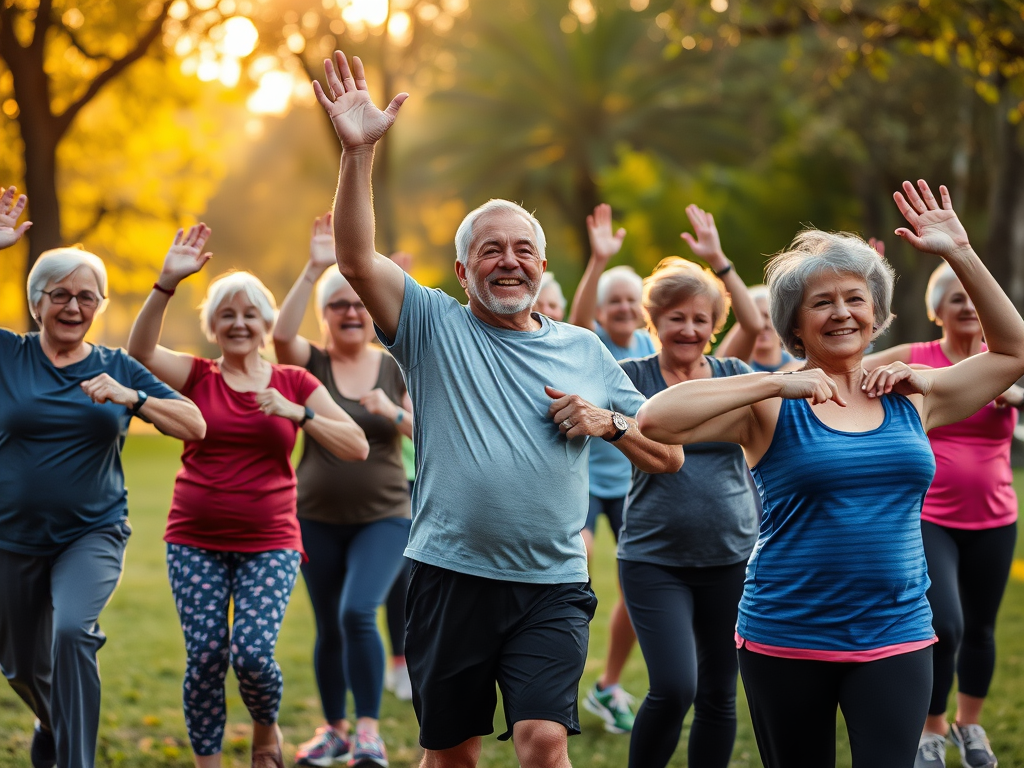
groups, but especially in older adults. In particular the key benefits of increasing

physical activity include improved strength, flexibility, mobility, and fitness.

These can all improve daily function, help to maintain independence, and

reduce risk of falls. In addition, exercise can reduce depressive symptoms, and

group exercise programs can provide social engagement (reduce social

isolation).

It is never too late to become physically active. Even individuals who

have been “sedentary” but start exercise in their 80s show a survival benefit

compared with their peers who remain sedentary. Improved fitness and

strength with exercise is noted among very frail older adults and nursing home

residents.

There are four recommended categories of physical activity:

Aerobic exercise, muscle strengthening, flexibility, and balance.2/4/2020 AWWC Village Wise

1. Aerobic exercise involves large muscles that stimulate and strengthen

the heart and lungs. Examples are: brisk walking, jogging,

swimming, water aerobics, tennis, golf without use of a cart,

exercise classes, dancing (try this in your kitchen), bicycle

riding, and use of “cardio” equipment elliptical, stair climbing

machines, stationary bikes, and treadmills. This equipment is

NOT meant to be used as clothes racks! Activities can be accumulated

throughout the day e.g. 10-20 minutes at a time. Short walks a few

times/day may be all we need or can do! Guidelines for older adults

suggest a minimum of 150 minutes per week of moderate-

intensity aerobic activity (30 minutes on five days each week)

or a minimum of 60 minutes per week of vigorous activity. (20

minutes on 3 days each week) or some combination of the two.

Wow! Let’s get moving! Caution! A good rule of thumb for moderate to

vigorous aerobic intensity is that we should be able to carry on a

conversation during activity. If you can’t chat or LAUGH, you

should slow down (& ENJOY)!

2. Muscle strengthening exercise includes weight training,

calisthenics, or resistance training. Strength and muscle endurance is

progressive and requires gradual increases in resistance over time. Pop

Quiz: who remembers The Jack LaLanne show? His TV show

started in 1951 and he died in 2011. Muscle strengthening for older adults

helps us limit age-related loss of muscle mass and bone density. It

improves function and reduces risk of falls and disability from chronic

diseases. Ideally, strengthening exercises are done 2x/week, but

even 1x/week is effective. Low weights: 1-5# are often sufficient.

3. Flexibility is essential to good physical health and necessary to perform

daily life activities such as putting on shoes, reaching for overhead

objects, or turning around to back a car out of a driveway.

Flexibility/stretching exercises should be done 2x/week for at least 10

minutes. Remember that when you stretch muscles you should

hold each stretch for 10-30 seconds & you should feel a slight

pull but not stretch to the point of pain.

4. Balance Training improves stability and may prevent falls. Tai Chi

classes have improved balance and reduce falls risk. These classes are

offered at Waldo County YMCA. Physical Therapy referrals to

enhance strength, balance, and falls prevention are usually covered by

Medicare and are very effective.

Summary: Onward and Upward in 2020; let’s get moving! I am still2/4/2020 AWWC Village Wise

looking for my Mother’s Jack LaLanne blue jump suit. As Jack LaLanne is

quoted: “You eat every day, you sleep every day, and your body was

made to exercise every day.”

Disclaimer: There are many special populations with special health

conditions which may require special consideration: functionally

limited or frail adults or with specific arthritis conditions,

osteoporosis, chronic pain for whom these recommendations may

not be appropriate. It is recommended that you contact your primary care

provider re: recommendations/concerns.

Senior College, Senior College Class

High Blood Pressure and What You Can Do About It

Carol Kuhn, M.D.

This will be a practical approach to high blood pressure and non-drug ways to lower blood pressure. I will make little reference to the various medications which are commonly used to treat high blood pressure or hypertension, as it is referred to by clinicians.

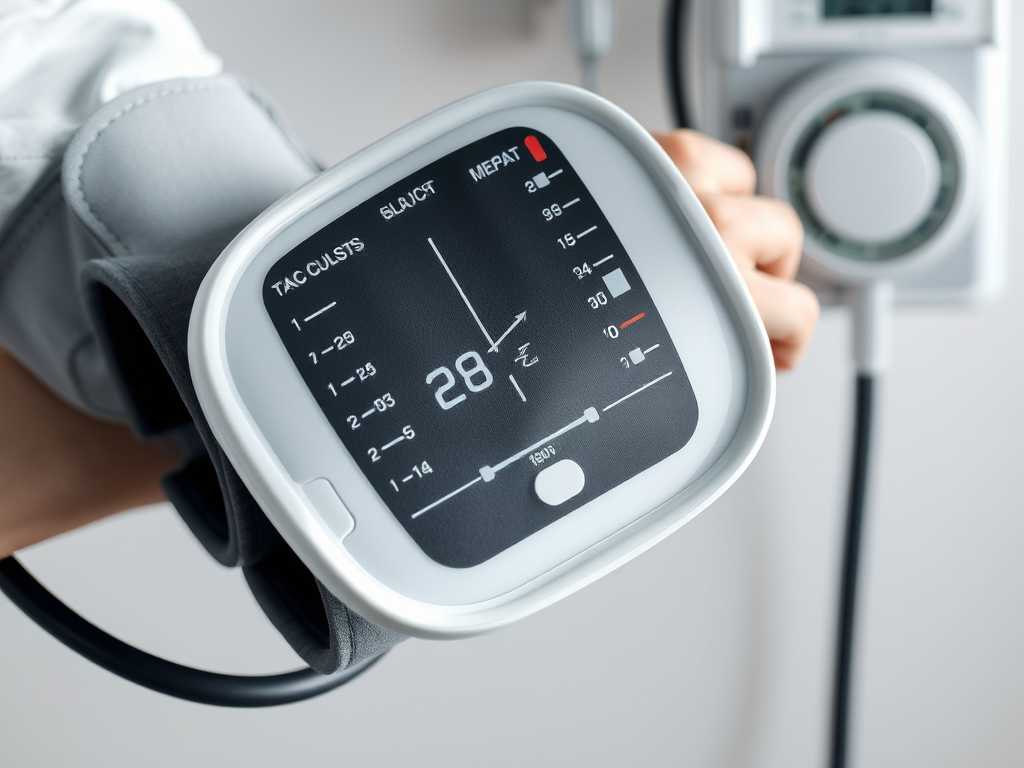
What is blood pressure? Blood pressure is a force that blood exerts on the walls of the arteries (the blood vessels that carry blood away from the heart to the rest of the body). Systolic blood pressure is measured while the heart is beating, and diastolic pressure is measured when the heart is at rest between beats.


What is hypertension or high blood pressure? For best health, those numbers should be lower than 120/80 mmHg. Borderline high pressure or pre-hypertension is systolic of 120-139, diastolic of 80-89. A person is considered to have high blood pressure if one or both measurements remain at 140/90 mmHg or higher. There are no symptoms associated with high blood pressure; and if left untreated over time it can lead to serious health problems such as heart disease, stroke, or kidney disease.

How is blood pressure taken accurately? Your feet should be flat on the floor, your arm resting on a stable surface at heart level. You should be sitting quietly for at least 5 minutes before the blood pressure is taken using a blood pressure cuff of appropriate size.

How is high blood pressure treated? Hypertension can be treated with different medications. I am including a list of antihypertensive drugs for initial treatment. Generic versus brand names will vary and you need to discuss the specifics of your medication with your health provider.

  • Thiazide and thiazide-type diuretics (hydrochlorothiazide, chlorthalidone, indapamide) Remember to have your blood checked for potassium levels as these can cause low potassium and heart irregularities. Do not take a potassium substitute on your own; too high a level of potassium can also cause irregularities.
  • Angiotensin- converting enzyme (ACE) inhibitors/angiotensin II receptor blockers (ARBs) (lisinopril, Losartan)
  • Calcium channel blockers (amlodipine)


High blood pressure can also be treated with several non-drug approaches including healthy lifestyle habits, good nutrition, mind body techniques, and nutritional supplements.

What lifestyle habits can lower blood pressure? Exercising, eating plenty of fruits and vegetables and maintaining proper weight lowers systolic blood pressure by about 10-15 mmHg.  Cancer, heart disease, diabetes, and stroke are reduced with these changes. 


Senior College, Senior College Class

Wearable Technologies

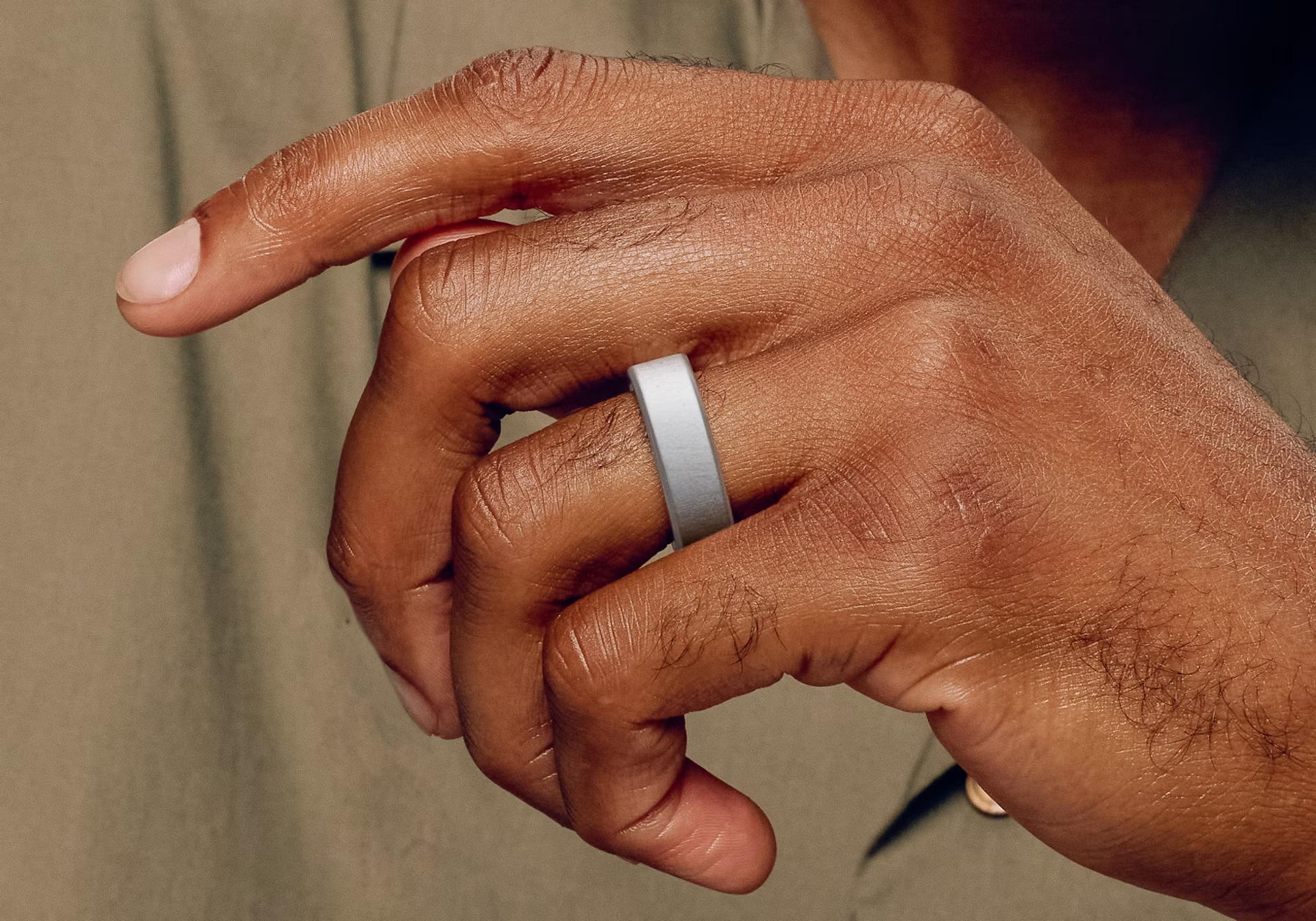
Wearable Technologies   In this article, three senior citizens who each wear a different wearable technology write from their personal experience. We feature three such technologies: the Oura Ring, the Apple Watch, and the Fit Bit. Each one helps their wearers be more healthy and safe.
The Oura Ring
Wendy C. Kasten

My husband and I enjoy watching classes on varied topics from The Great Courses programWe recently viewed “The Scientific Guide to Health and Happiness.” The professor/lecturer was Dr. Robin Miller, a physician of integrated medicine from the northwest. She mentioned the Oura ring she was wearing. I was intrigued with what she said about the ring, so I was delighted that my husband gave me one for my birthday. I was immediately drawn to the value of understanding my sleep issues and monitoring my pulse and breathing (I have asthma). Since a first-degree relative, close in age, had three cardiac medical events, I was further motivated to monitor the data the Oura ring provided.

An Oura ring (ouraring.com) is available in multiple finishes and is worn around the clock, even when swimming and showering. It collects vital signs and transmits them to an APP on your smartphone. It looks like a slightly bulky man’s ring and can be worn on any finger. When you place a preliminary order, Oura sends a kit of plastic rings identical in size and shape to an actual ring to try out sizes on different fingers to decide what will be most comfortable. Oura encourages the potential buyer to wear the plastic rings on different fingers for at least 24 hours before completing the purchase. When you begin wearing Oura, it “gets to know” you and monitors body temperature, breathing, pulse, activity, and sleep. The company may offer updates to include additional functions. The ring provides a graph of sleep, separating light sleep, from deep sleep, and REM sleep. It recommends the time to go to bed and when it’s best to take it easy for the day. And it warns you if you’re coming down with something, recommending you rest and take it easy.

The prices are currently between $275. -$575.00 depending on the finish the buyer selects (gold is the highest priced). Following that time period, there is a monthly charge of approximately $5.00 per month. The Oura ring needs to be charged approximately every 3 days. The charger is included and is easy to use. Customer support is text-based only; the company is located in Finland.

So far, I have learned I have been staying up too late, that my activity is on the light side, and that my heart takes most of the night to get to a “resting heart rate.” I plan to discuss this and other data with my primary care physician. The Oura ring might be a tool for someone with irregular heart rhythms or someone with sleep issues. Those are issues to discuss with the company. Lastly, I enjoy the embedded library of recordings to help relax and fall asleep. Oura rings are sold online and at Best Buy(ouraraing.com). More recently, new features have been added. Oura now gives you oxygen sensing, and VO2MAX (a measure of overall cardiovascular health). It also sends you a warning if something is “straining your body” which usually means you are about to become ill. In these instances, I cancel all plans and got to bed to try and avert something serious.

I believe this smart tool can be helpful in understanding many aspects related to living a healthy life.


Apple Watch      by Martha Stamp

I am over 70 and live alone. My sister is five years younger, also living alone and a techie.  Six years ago she purchased one of the early Apple Watches. She considered it better than other alert devises for elderly people because it is worn on the wrist and can activate a 911 call vocally. A sudden movement will automatically activate it unless the wearer stops it. The Apple Watch can also be connected to the wearer’s cell phone. This is helpful for me as I often walk alone on the beach and could quickly access help if needed. It also has a nice feature of locating your phone if it is misplaced.

I have always worn a watch so it was natural for me to try an Apple Watch. It is a bit larger than the watch I usually wear, and there are a variety of bands from which to select. The Apple Watch holds a charge for a day and comes with a charger. The watch serves more purposes than only as a safety device. There are different apps you can have on it. For example, I use the exercise app that monitors my steps and offers incentives.  I also access the weather. Because it is linked with my Apple Phone, I can talk on it (Think Dick Tracy!) and am notified when I receive a text. There are other apps offering health options, but I haven’t explored all of them.  It is like wearing an Apple Phone on your wrist.

An Apple Watch can be purchased through many carriers, such as US Cellular and Verizon.  These watches can also be purchased through Amazon, Walmart, and Best Buy. The prices vary from approximately $152 for a refurbished one to $746 for the newest models. Not all will connect with the your specific carrier, so be careful to check the specs.  I strongly recommend checking with your carrier first to see if they offer that service.  I have found that feature to be invaluable when traveling.  I love my watch and don’t know how I got along without it!
Fitbit Motivation  by Joyce Ray

We all know we need to keep moving to stay healthy, but sometimes I lack motivation to get out and walk. I know vaguely how far it is down to the pond and back, and some days I manage to make the circuit and pat myself on the back. But not often enough, until I bought my Fitbit. This little wristband device provides the motivation I need to get moving!

I bought the basic Inspire Fitbit, no bells and whistles, three years ago, and it’s still going strong. It tracks my steps, my heart rate, calories burned, distance walked, and how many minutes of activity I log each day. It also tracks my hours of sleep, recording light, deep, and REM sleep. This is all I need, but I could log in my water intake and even the food I consume. It’s shower and swim proof, but I haven’t tested it.

My Fitbit vibrates and launches firework graphics when I attain the step goal I set. For me, it’s very satisfying to reach my goal, knowing that I’m doing my best to stay healthy and fit. My winter goal was 5,000 steps (about two miles), but now that the weather is warmer, I’m increasing my goal by small increments. Most days, I check my step status an hour before bedtime, and if I’m lacking several hundred steps, I go for it- up and down stairs, in and out of rooms! The steps are logged, and I can check my weekly or monthly averages on my smartphone to see how diligent I’ve been. I can honestly say that I am more active with the Fitbit than without it.

The device tells me the time and the date, so I could give up my wristwatch, but I haven’t. If I turn on Alerts, Bluetooth syncs it with my smartphone. The Fitbit can remind me of appointments, calls, texts, and probably lots of other things. However, I have definite opinions about being too tied to devices!

The Fitbit Inspire sells for about $100 from fitbit.com, but there are 20% off spring sales, and competitive pricing may be found at a local Walmart, Best Buy, etc. My battery needs charging about every five days, but the new Inspire 2 advertises a 10-day battery life. A charger cord is included with purchase. Wristband color choices are black or white for the basic price, but other colors are available at additional cost.

There is no maintenance fee. A one-year free Premium trial comes with purchase of a new Fitbit Inspire 2. Premium gives you personalized insights about your activity, all level workouts and step-by-step programs. This free offer was not available to me, and I have not subscribed to it. I’m satisfied with the information I receive. I recommend a Fitbit to anyone who needs motivation to get moving to maintain health.
 
Senior College, Senior College Class

SILVER SNEAKERS!

Do you know about SILVER SNEAKERS?

People aged 65 and over who have selected Medicare plans are eligible for Silver Sneakers for free. This widespread program to encourage exercise among senior citizens is available throughout the country in two ways. First, some fitness centers are designated as “Silver Sneaker” locations. What that means is, you check your eligibility on the website (silversneakers.com). If you are eligible, you can also print your membership card from the website and start going to the fitness center nearest you. For free. Yes, for free. At a Silver Sneakers location, you will find a way to sign in which looks like a tablet and scan your card. The management may want you to fill out a form with basic information as part of “joining” except that in this case “joining” has no fees attached. The fitness center is reimbursed by your Medicare.

There are currently no locations of fitness centers accepting Silver Sneakers in Waldo County Maine.

But, Don’t despair. Go to SilverSneakers.com and use your Medicare card to check your eligibility. If you are eligible, there are more than 40 classes a day delivered over ZOOM. You can take as many as you like. For free.

Some selections include line dancing, circuit, yoga, TaiChi, Walk Strong, Stronger Now, Get Fit and more. Some classes are 15 minutes, 20 minutes, 30 minutes, or 45 minutes. Some classes use common equipment such as light to moderate weights, exercise bands with handles, and a nine-inch ball. Some advise useing a nearby chair for balance. Yoga classes use a floor mat.

Experienced instructors are experienced and all well prepared for their senior citizen audience. They always caution members to dial up or down on intensity to suit their ability. Special instructions are provided for seniors who must sit throughout the session. Safety and caution are always priorities.

At the beginning and end of each class, the “chat” is open for participants who would like to introduce themselves, and at the end for feedback. Questions are invited over the Q & A feature. Classes sometimes are being taken by hundreds of seniors from all over the United States. Overall, the instructors are superb (and many are senior citizens, too!)

Even if you are not eligible for Silver Sneakers, nearly all Medicare plans encourage exercise. Call the number on the back of your card and inquire. It is common to be reimbursed up to $400 for a gym membership. But you have to make that call and ask.

There is no easier way to exercise! No driving in bad weather. No gym bag to pack. No concerns about what to wear or how you look.

Check your eligibility! And Get Fit having fun.

Senior College, Senior College Class

PFAS!


What Are PFAS Chemicals and Why Should We Be Concerned About Them?
Wendy C. Kasten, Ph.D.
Over the last year or so, many of us started hearing about PFAS. Local news carried stories about PFAS chemicals detected in the water supply in wells, including some in Waldo County. However, the

of PFAS chemicals and the concerns about health risks go far beyond the contamination in some Maine wells. I learned some of this by accident while investigating dental appliances for safety. Some years ago, we also heard about Teflon coatings in cookware causing health problems. The amount of information I discovered was alarming. 


Being an academic but not in the sciences, I have prepared this article in consultation with public representatives from the Maine Center for Disease Control and Prevention. I am citing heavily to demonstrate the authoritative sources that are posting this critical information. Let’s begin with a definition.


What is PFAS?
PFAS is a family of man-made chemicals, which have been used in manufacturing for decades. 
As early as the 1940’s, PFAS (mostly PFOA and PFOS earlier on) became widely used in household products and industrial settings. These chemicals were also historically used in firefighting foams due to their effectiveness at quickly extinguishing petroleum-based fires. Because they have a unique ability to repel oil, grease, water and heat, PFAS chemicals are used in many common products that we regularly use. For example, they have been used to make non-stick cookware, stain-resistant carpets and furniture, water-resistant clothing, heat-resistant paper/cardboard food packaging (like microwave popcorn and pizza boxes), and some personal care products. PFAS breaks down very slowly and is persistent in the environment. This means that PFAS may build up in people, animals, and the environment over time. Health agencies are working to understand more about the health effects of low level, long-term exposure.”
(https://www.maine.gov/dep/spills/topics/pfas/index.html).

Why should we be concerned? 
The chart below lists the possible health issues that have been associated with PFAS chemical use in household products. Potential Health Impacts from PFAS Decreases in fertility or increases in high blood pressure in pregnant women Reduced ability of the body’s immune system to fight infections including reduced vaccine response Child development effects including low birth weight, accelerated puberty, bone variations, or behavioral changes Increased risk of some cancers including prostate, kidney, and testicular cancers Interference with the body’s natural hormones Increased cholesterol levels and/or risk of obesity   (https://www.maine.gov/dep/spills/topics/pfas/index.html).  
What is the State of Maine doing about PFAS?
Maine may be among the first states to attempt to identify and regulate PFAS for the benefit of our health. Here is the new law.
“In July 2021, Public Law c. 477, An Act To Stop Perfluoroalkyl and Polyfluoroalkyl Substances Pollution (LD 1503, 130th Legislature) was enacted by the Maine Legislature. This new law requires manufacturers of products with intentionally added PFAS to report the intentionally added presence of PFAS in those products to the Department beginning January 1, 2023. The law also prohibits the sale of carpets or rugs, as well as the sale of fabric treatments, that contain intentionally added PFAS beginning on January 1, 2023. Effective January 1, 2030, any product containing intentionally added PFAS may not be sold in Maine unless the use of PFAS in the product is specifically designated as a currently unavoidable use by the Department.”
 
The Maine Department of Environmental Protection has identified 34 Maine communities that require further investigation for higher than safe levels of PFAS in the environment. I think we all need to know this, as some of them are in Waldo County. I have highlighted those in yellow.
 
The 34 towns that have sites with high-priority testing sites are:
  Albion Auburn Benton Bowdoinham Brooks Canaan Charleston Chelsea Corinna Corinth Dayton Exeter Fairfield Gorham Gray Houlton Jackson Knox Leeds Lewiston Littleton Ludlow Minot Palermo Presque Isle St. Albans Sidney Skowhegan South Windham Thorndike Unity       https://www.mainepublic.org/health/2021-10-22/maine-dep-identifies-34-towns-with-high-priority-sites-pfas-chemicals-testing


What Does this Have to Do with Me?
Do you floss your teeth? There’s a very high possibility that the floss you are using contains PFAS chemicals – perhaps at very high, unacceptable levels. I first came across this information on the National Institute of Health (NIH) website and was shocked that the floss which ranked highest on levels of PFAS was the one I had just bought  (Oral-B Glide). At your next visit to your dentist, ask if he or she is aware of this. This summarizes the problem.

“People who use certain types of dental floss may absorb toxic chemicals that have been linked with heart disease and cancer, according to a new study. The study found that women who flossed with Oral-B Glide floss had higher levels of a chemical called perfluorohexane sulfonic acid (PFHxS) in their blood than women who didn’t use that type of floss.”
(https://www.hsph.harvard.edu/news/hsph-in-the-news/dental-floss-harmful-chemicals/)

Where Else in My House Might There be PFAS?
Probably many or most women reading this have a sports bra, yoga pants, or leggings somewhere in their closet. Not only do we wear these things, but also we wash them, and any chemicals in them will end up in our groundwater supply. See the quote below.

“Recent testing of a range of yoga and athletic clothes marketed for women from common brands like Under Armour, Gap, and Adidas found that more than two-thirds of sports bras and a quarter of leggings tested contain fluorine—an indicator for PFAS.”  
(https://www.ehn.org/pfas-clothing-2656587709.html)

*Here are a few other products that may contain PFAS, and senior citizens may want to avoid. They include: Non-stick cookware, such as Teflon Microwave popcorn (PFAS in the bag) Wrappers used in fast food restaurants to wrap sandwiches, hamburgers, etc. Cake mixes (the PFAS may be in the box) Waterproof apparel Stain-resistant applications put on carpets or upholstery Takeout containers Candy wrappers Shampoo Eye makeup Paint and varnish Pesticides Adhesives Insulation on wiring *(This list was compiled from State websites dealing with environmental protection)
In summary, let’s be aware, ask questions, and feel extremely fortunate that we live in a state where this now pervasive health issue is being addressed. Probably we will continue to hear more about PFAS, as more studies are completed and disseminated.

If you have concerns about your well and feel it should be tested for PFAS chemicals, please contact the Maine Rural Water Association (MRWA) by email at pfasassistance@mainerwa.org.

Senior College, Senior College Class

“To Sleep, Perchance to Dream…”

Carol Kuhn, MD


Most healthy older adults, age 65 or older, need 7-8 hours of sleep each night to feel rested and alert. But as we age, our sleep pattern may change.
Keep in mind that you may need less sleep as you age. Some people need only 5 to 6 hours of sleep a night, but most people do better with between 7 and 9 hours. Sleep usually occurs in three-hour cycles, so it’s important you get at least 3 uninterrupted hours of sleep.

Insomnia (trouble sleeping), sleep apnea, restless leg syndrome (RLS), and periodic limb movement disorder (PLMD) are all causes of sleep disturbance.

Common sleep changes in older adults include:
◦ Getting tired early in the evening
◦ Waking up earlier in the morning
◦ Waking up in the middle of the night and not being able to go back to sleep
◦ Having insomnia, which is a condition that makes it hard to fall asleep, and/or stay asleep
◦ Falling asleep during the day, including while driving

Older adults often see their sleep–wake cycle change. This can be caused by many different factors, including:
◦ Your body’s chemicals, and hormones. For example, as you age, your body produces less melatonin. This is a natural hormone that regulates your sleep cycle.
◦ Certain medicines, including anti-depressants, beta blockers, and cardiovascular drugs.
◦ Dealing with pain.
◦ Diabetes and prostate issues can contribute to sleep disturbance and make you fatigued as you wake up multiple times to urinate.
◦ Congestive heart failure or kidney disease. You may have trouble lying flat and getting comfortable enough to fall asleep.

If you find yourself sleeping in a recliner, waking up many times throughout the night, it is important to talk to your health provider. Underlying health problems may be the cause of your sleeping issues.

Insomnia

Insomnia is a sleep disorder that happens when you have trouble falling asleep, staying asleep, or both. Acute insomnia is short-term trouble sleeping. It may last a few weeks and then go away. Chronic insomnia is when your sleeping problem happens several nights a week and lasts for more than a few months. Insomnia is common in older adults, and more women than men have it. 

Primary insomnia isn’t well understood. Things that can cause this kind of insomnia include:

·  Life changes

·  Long-lasting stress or emotional upset

·  Travel or work schedules that disrupt your sleep routine

·   Habits you form to deal with your lack of sleep (naps, worrying about sleep, going to bed too early)

Secondary insomnia is insomnia caused by symptoms or a side effect of another problem. They include:

·       Emotional conditions: depression, anxiety and post-traumatic stress disorder

·       Neurological disorders: Alzheimer’s or Parkinson’s disease

·       Pain conditions: arthritis, headaches disorders

·       Gastrointestinal disorders: heartburn, GERD

·       Sleep disorders: restless leg syndrome or sleep apnea

·       Breathing disorders: asthma, heart failure, or chronic obstructive pulmonary disease (COPD)

Insomnia can sometimes occur in families.

Sleep apnea
Sleep apnea is a common sleeping disorder. It causes a person’s breathing to stop and start, while sleeping. People who have sleep apnea often snore loudly. You stop breathing for 10 to 30 seconds at a time. When you start breathing again, you gasp or snort, which can wake you up. This can occur hundreds of times in a single night. Each time you wake up, it disturbs your sleep pattern. It can be harmful if you stop breathing for too long. It also causes high blood pressure, which increases your risk of a heart attack.

To treat sleep apnea, health providers typically prescribe patients a CPAP mask, which stands for continuous positive airway pressure mask. A CPAP machine sends a flow of pressurized air into the persons, mouth and nose as she sleeps. This helps keep the individual’s airway open to allow normal breathing.

Restless leg syndrome (RLS)
RLS is a condition in which you have leg pain or discomfort. It occurs when you are sitting or lying down. It can feel like your legs won’t be still. RLS can make it hard for you to sleep and it can be quite annoying.


Periodic limb movement disorder (PLMD)
PLMD is a condition in which you kick your legs while you sleep. Most of the time, you are unaware of your kicking. If you have a bed partner, they may tell you about it. It can prevent good sleep and cause daytime fatigue. Some people may have both RLS and PLMD.

Things to consider for good “sleep hygiene”. Sleep hygiene refers to maintaining daily routines in a bedroom environment that promotes consistent, quality sleep. If you find your sleep- wake cycle has changed as you get older, you might consider these tips helpful:

◦ Go to bed and get up at the same time each day, even on the weekends.
◦ Do not take naps longer than 20 minutes during the day.
◦ Do not read, watch TV, check your phone, or eat in bed. Only use your bedroom for sleep, intimacy, or sickness.
◦ Avoid caffeine for about eight hours before bedtime.
◦ Avoid nicotine and alcohol in the evening (4 to 6 hours before you go to bed). Alcohol might help you fall asleep, but it can cause you to wake up in the middle of the night.
◦ Have a “wind down” period each night before bedtime. Try yoga postures for loosening up the body before bedtime. Try practicing yoga breathing.
◦ Make sure you have the right mattress. In general, a medium firm mattress has the minimum standard for good spine alignment in comfort.
◦ Keep the bedroom dark and free of white light from electronic devices. If you need some dim light, amber light is better than white light or blue light. Amber is midway between yellow and orange. It helps promote secretion of the sleep hormone melatonin.  White or blue light interferes with the secretion of melatonin.
◦ Do not lie in bed for a long time trying to go to sleep. After 30 minutes of trying to sleep, get up and go to a different room. Do something quiet, such as reading or listening to music. Do not do anything that stimulates your brain. Then, go back to bed and try to fall asleep. This seems to be very difficult for a person to do; to get out of bed and go to another room seems counterintuitive. But it really helps.
◦ Try to be active each day. Regular exercise will often help you rest better. But do not exercise vigorously within two hours of bedtime.
◦ Ask your health provider if any of your medicines could be keeping you awake at night.

Alcohol and caffeine use deserve further discussion. Not only does alcohol affect aging, but consuming alcohol, especially in excess, has been linked to poor sleep quality and duration. A normal sleep pattern includes four distinct stages. Consuming alcohol before bedtime could have a suppressive effect on the REM sleep during the first two sleep cycles. This can diminish overall sleep quality. Dreams typically occur during REM sleep, which is restorative, and it is important for cognition, learning, and memory.

Caffeine stimulates the central nervous system, which can create a rush of energy. It quickly boosts alertness in the brain. These effects can be detrimental to getting good sleep. Studies have shown that caffeine typically prolonged sleep latency, reduced total sleep time and sleep efficiency.

So, the best way to prevent sleep disorder is to develop a good sleep routine.  It may be helpful to keep a sleep diary: keep track of when you went to bed, how long you’re in bed before you fall asleep, how often you woke up during the night, what time you got up in the morning, how well you slept, the time and length of any naps, how you felt during the day (sleepy or alert), what you drank (caffeine or alcohol and at what time), when you exercised. You can review this with your health provider and identify patterns and conditions that are affecting your sleep.

The best way to treat sleep disorder is with behavioral therapy. It usually includes learning ways to relax and not worry as much about sleep. You can learn muscle relaxation and deep breathing exercises to help you relax. This is often as effective as prescription sleeping medicines. There are some over-the-counter (OTC) sleep aids that can be used for a short period of time. But be sure to check with your health provider and don’t drink alcohol while you are taking over-the-counter sleep aids. In some cases, your health provider may prescribe short-term medication to help you. Regular use of prescribed medication may lead to rebound insomnia. Your insomnia comes back even worse than before.

A good way to relax is to focus on your breathing by taking slow, deep breaths while counting to five. Then listen to the sound of your breath as you breathe out. You can also try to tighten and relax the muscle groups in your body. Begin at your feet and work your way up to your face and head. Listening to relaxation music may also help. Remember, it’s important every night to review your day and go over what you could and couldn’t control. You deserve your rest, sleep is critical to your overall health; it affects your immune function, hormone regulation, thinking ability, and mental health.  A good day begins with a good night’s rest.

Resources:

1. Shakespeare, William. Hamlet, Act 3, Scene 1.

Holder, Susan DO, and Narula, Navjot, MD, MB. Common Sleep Disorders in Adults: Diagnosis and Management. American Family Physician, Volume 105, Number 4, April 2022.

Castanda, Ruben, Why Is It Harder to Sleep When You Get Older? U.S. News &World Report, January 26, 2023.

Insomnia, familydoctor.org. Resources: National Heart, Lung, and Blood Institute: Insomnia.

Sleep Changes in Older Adults, familydoctor.org. Resources: National Sleep Foundation.